
Social Impact Programmes UK: A 2026 Guide to Community Resilience and Cultural Heritage
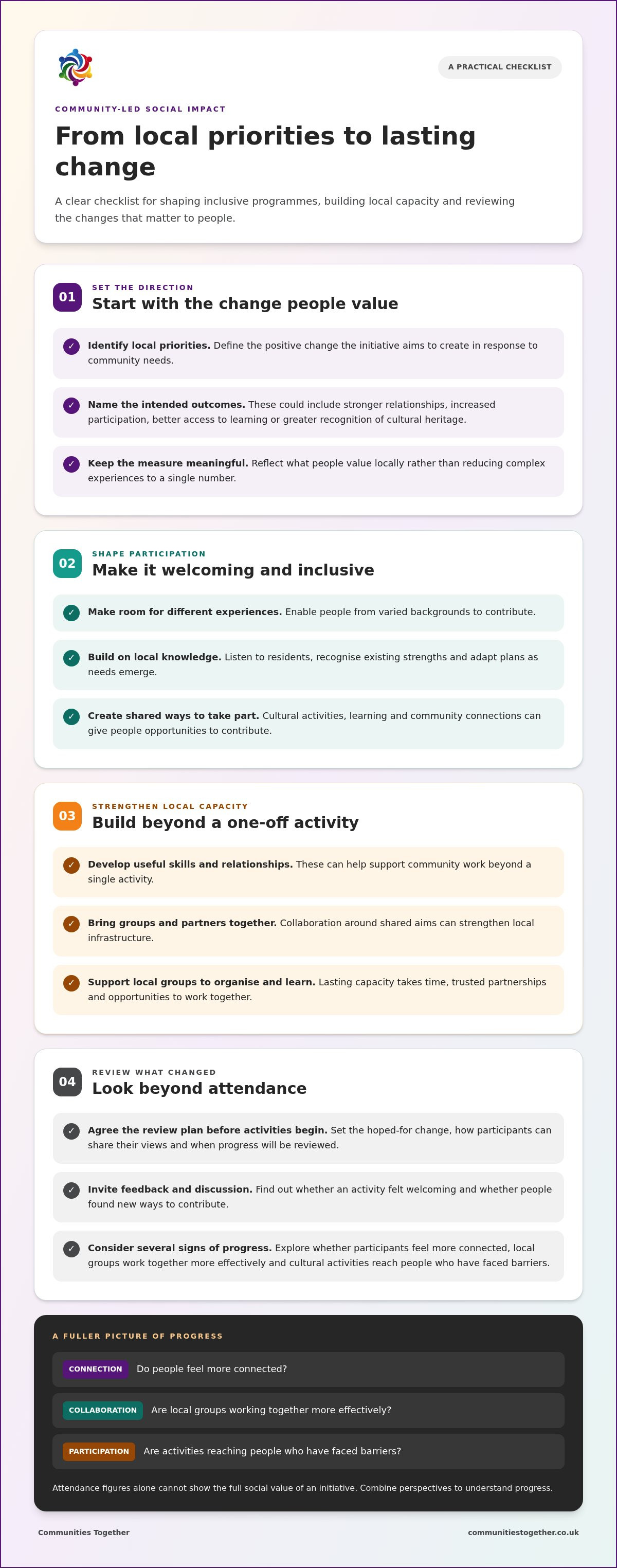
Stronger communities grow when people can connect with their cultural identity, learn practical skills and support one another. Across the UK, social impact programmes UK can address challenges that often overlap, including social isolation, disconnection from local heritage and limited access to learning. Lasting change depends on creating welcoming ways for people to contribute and build relationships, not simply delivering one-off activities.
If you’re looking for ways to reduce isolation and strengthen community resilience, this guide explores how cultural preservation, wellbeing workshops and collaborative capacity building can support that work. It also explains how to set priorities, shape inclusive activities and review whether they are making a difference.
With a focus on West Yorkshire, including Huddersfield, Halifax, Leeds, Bradford and Wakefield, we look at how community engagement and South Asian arts and heritage activities can foster connection, personal development and stronger local infrastructure. The examples offer practical ideas for local groups and partners, alongside a wider UK perspective on building more cohesive communities.
Table of Contents
Defining Social Impact Programmes in the UK for 2026
Social impact is the positive change an initiative aims to create in response to community priorities. That change might include stronger relationships, increased participation, better access to learning or greater recognition of cultural heritage. Measurement matters, but it should reflect what people value locally rather than reducing complex experiences to a single number.
Social impact programmes UK can connect practical activities with the conditions that help communities thrive over time. Alongside addressing immediate priorities, initiatives can build personal resilience, preserve cultural knowledge and strengthen relationships between residents and local organisations. This broader approach recognises that belonging and cultural continuity are part of community wellbeing.
Strong initiatives are inclusive, sustainable and collaborative. Inclusion means making it possible for people with different backgrounds and experiences to contribute. Sustainability means building skills and relationships that can support work beyond a single activity. Collaboration brings community groups and partners together around shared aims. Clear objectives and regular reflection help maintain accountability, while a friendly approach makes participation feel welcoming.
The Shift Towards Community-Led Resilience
Community-led approaches bring local knowledge into the decisions that shape an initiative. Instead of relying only on centrally designed activities, partners can listen to residents, build on existing strengths and adapt their plans as needs emerge. Community organisations can connect practical action with local relationships. The focus is on developing lasting capacity, not a short burst of activity that ends when a project does.
This takes time and attention to skills, trusted partnerships and opportunities for local groups to organise and learn together. UK social investment has developed institutions and initiatives concerned with public services and infrastructure; Social Investment Business (SIB) offers a point of reference for that wider history. At a local level, resilience grows when participation is supported by relationships and structures that help sustain it.
Measuring Success in Social Cohesion
Social return on investment, or SROI, considers the social value created in relation to the resources used. In a community setting, evaluation might look at whether participants feel more connected, whether local groups work together more effectively and whether cultural activities reach people who have faced barriers to taking part. Combining these perspectives gives partners a fuller picture of progress than attendance figures alone.
Useful evaluation starts with a clear purpose. Before an activity begins, partners can agree what change they hope to see, how participants can share their views and when progress will be reviewed. For example, feedback and discussion can help reveal whether a workshop felt welcoming and whether people found new ways to contribute. Reducing isolation can support wider wellbeing by helping people form relationships and take part in community life. Stronger networks can also connect people with learning and opportunities to contribute. Social impact is a collaborative effort to build connection, resilience and shared capacity.
The Vital Role of South Asian Arts and Heritage in Social Cohesion
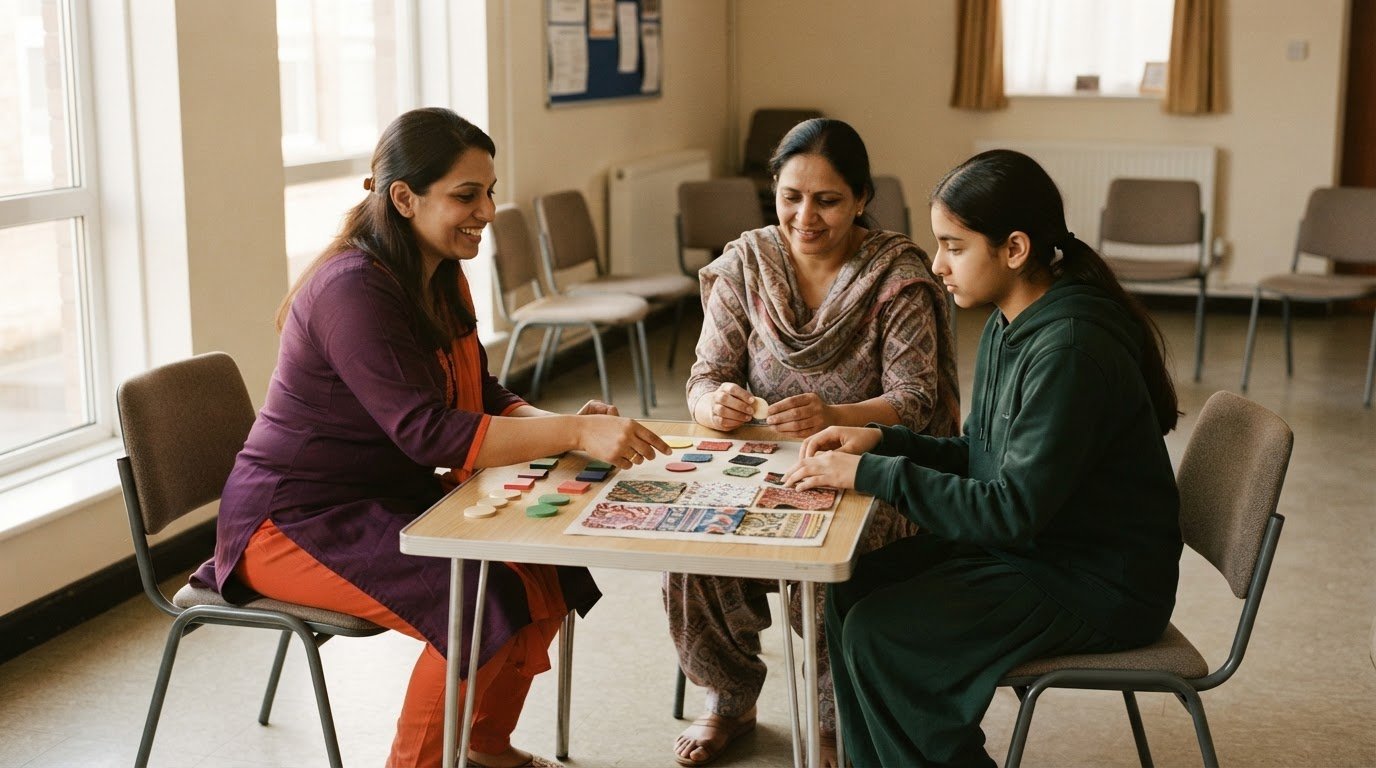
South Asian arts and heritage can make community participation more meaningful by connecting learning with family histories, creative expression and shared traditions. Activities such as storytelling, music, dance, craft and oral-history projects give people ways to explore cultural knowledge together. They can also make that knowledge accessible to younger generations and neighbours from different backgrounds. This is more than a celebration of the past: cultural continuity can help people feel recognised, develop confidence and form relationships grounded in mutual respect.
For social impact programmes UK, heritage can be part of the approach to community connection, rather than an optional extra. A familiar song, story or creative practice can offer a welcoming starting point for conversation and shared activity. When people feel that their experiences belong in a shared space, they may feel more comfortable contributing to wider community life.
Heritage Education as a Tool for Inclusion
Well-designed heritage workshops bring generations together as learners and contributors. Older participants can share memories, language and traditions, while younger people can document stories, interpret them through creative work or bring new perspectives. Facilitators can make room for different levels of prior knowledge, so participation does not depend on already knowing a tradition or feeling confident speaking to a group.
This exchange can support confidence and mutual understanding. Participants see their knowledge valued, while others gain a richer appreciation of the experiences represented in their neighbourhood. Communities Together’s South Asian heritage preservation work connects cultural continuity with the wider purpose of protecting shared history.
Arts-Based Participation in West Yorkshire
In Leeds and Bradford, locally shaped arts activities can create accessible points of connection without assuming that everyone has the same interests. For example, a programme might bring people together around music, dance, craft or storytelling, with participants helping shape the activity and deciding which traditions they want to share. These formats are starting points, not one-size-fits-all templates. Local voices should guide the content and approach.
Inclusive organisation matters as much as the activity itself. Clear introductions, different ways to contribute and the option to observe before joining in can help people with varying confidence levels feel at ease. Facilitators can invite participants to share knowledge without placing the burden of representing an entire culture on any one person. A thoughtful process supports respectful exchange and gives the group a shared purpose.
Communities Together delivers South Asian arts and heritage activities as part of wider community engagement, learning and relationship-building. This brings creative participation together with social connection and cultural preservation, while making room for both continuity and change. Explore community heritage activities to find out more about supporting connection and shared learning across West Yorkshire.
Wellbeing and Resilience Workshops: A Framework for Community Growth
Wellbeing and resilience are connected, but they describe different kinds of progress. Wellbeing relates to how people experience daily life, including whether they feel supported, capable and connected. Community resilience develops over time: it is the shared ability to draw on relationships, knowledge and local resources as circumstances change. In a non-clinical setting, workshops can support both by creating a welcoming place to reflect, practise useful skills and build connections.
For social impact programmes UK, this community-wide view matters. Isolation can make it harder to access learning, build confidence or feel part of local life. Structured group activities offer a practical route into participation, while non-clinical support can strengthen social connection and personal coping skills. These workshops are not a replacement for clinical care, but they can contribute to community-led wellbeing.
Designing Inclusive Wellbeing Programmes
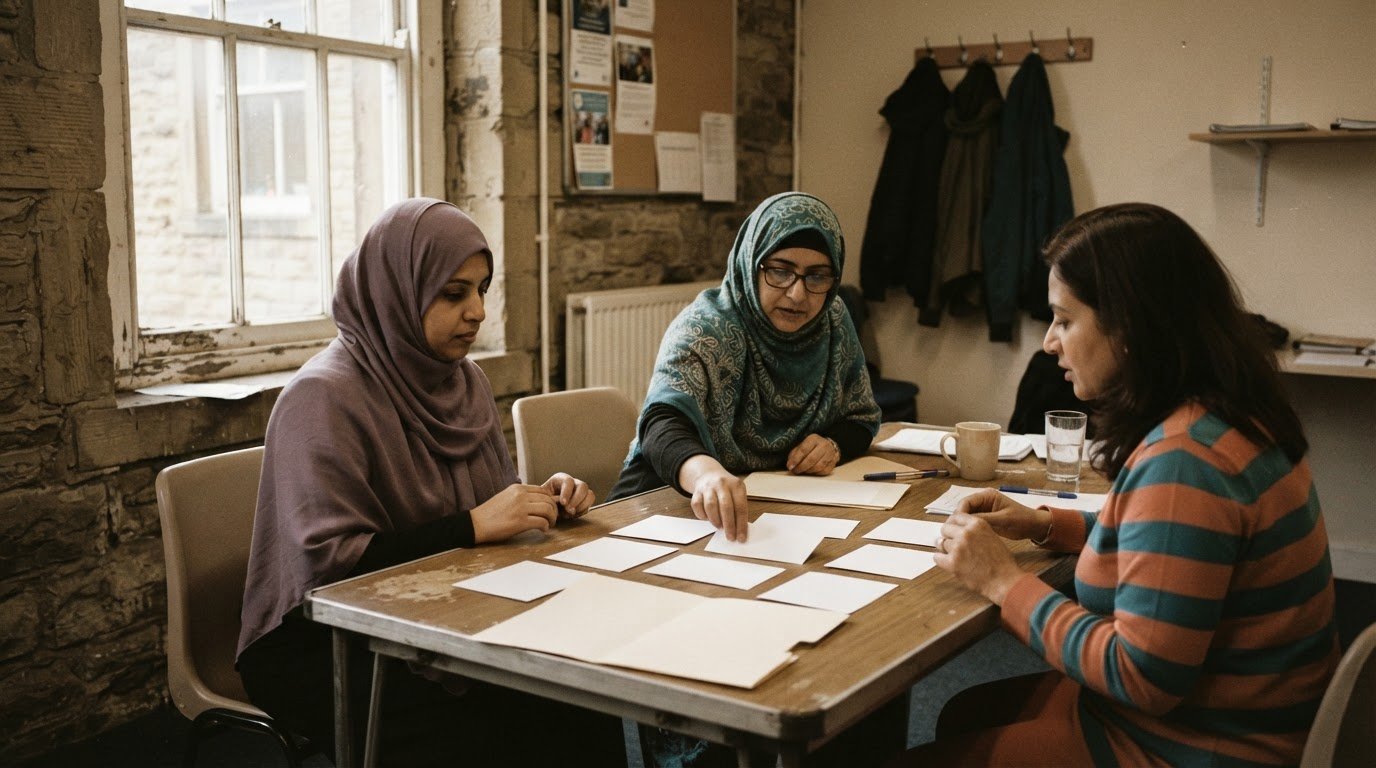
Effective workshop design begins with listening. Find out what participants want to work on, identify barriers to taking part, then shape activities around those priorities. A clear purpose and thoughtful facilitation provide structure, while a warm welcome, respectful discussion and choice in how to participate help people feel at ease. Reflection and participant feedback can guide later sessions and show whether the programme is meeting its aims.
Personal development opportunities can be valuable for people who feel disconnected from local networks. Small-group activities, paired conversations and practical exercises give participants different ways to join in, rather than expecting everyone to speak confidently in front of a group. In Huddersfield, collaborative wellbeing workshops provide a supportive setting for residents to develop skills and relationships.
Wellbeing workshops should be clear about their purpose. They can encourage reflection, connection and everyday coping without presenting themselves as clinical treatment. This clarity helps participants understand what the sessions offer and supports responsible partnership with community organisations and public services.
Skills Development and Personal Empowerment
Resilience grows through practice as well as conversation. Learning activities might help participants develop communication, creative, planning or problem-solving skills, with content shaped around local interests and different levels of experience. Flexible formats, accessible explanations and opportunities to learn from one another can make participation more relevant to diverse communities.
As people build skills, they may feel better equipped to contribute to group decisions, pursue learning opportunities and support activities in their neighbourhood. For community partners, this can also strengthen the local knowledge and confidence available when circumstances shift. Skills development supports individual confidence and collective progress.
A well-facilitated programme links personal growth with shared capacity. Participants gain tools they can use in everyday life, while relationships formed through learning can help communities respond together to social and economic change. The emphasis is on steady development, not promises of instant transformation.
Strengthening Local Infrastructure Through Capacity Building and Partnership
Community capacity building helps local groups develop the skills, relationships and practical resources needed to shape and sustain their work. This can include strengthening volunteer confidence, sharing knowledge, improving coordination and creating clearer ways for residents to influence decisions. Rather than treating community organisations only as delivery partners, capacity building recognises them as sources of local expertise and leadership.
For social impact programmes UK, strong infrastructure means more than buildings or funding. It includes trusted connections between residents, community organisations, local authorities and other partners, as well as the processes that help them agree priorities and act together. Partnerships can align resources and responsibilities while ensuring community knowledge informs plans from the outset.
The Power of Collaborative Partnerships
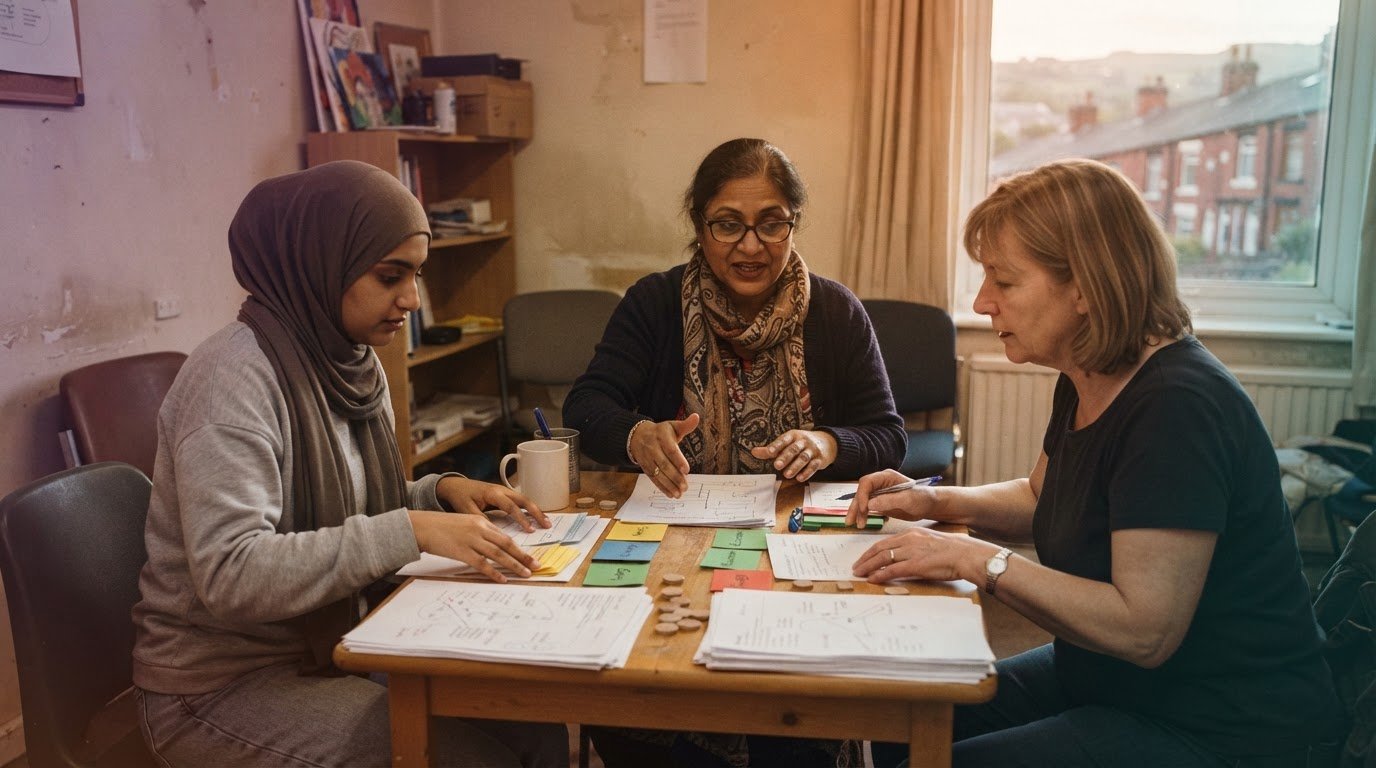
Inclusive engagement starts with making participation accessible and useful to people with different experiences, skills and levels of confidence. A facilitator can help partners listen carefully, identify shared priorities and work through disagreements without losing sight of community aims. This approach helps connect organisations with different roles and creates space for residents’ voices alongside institutional expertise.
Partnerships are strongest when they build the capacity of local groups, not simply coordinate a single activity. Agreeing shared aims, responsibilities and ways to review progress helps everyone understand their contribution. Use these practical principles to strengthen local infrastructure through collaboration: set a clear shared purpose, give each partner a defined role and make time to review what is working.
Building Resilient Community Infrastructure in Yorkshire
In Halifax and Wakefield, effective partnership work responds to priorities identified by local residents and organisations, rather than assuming each place has identical needs. Local groups may benefit from stronger links with public bodies, opportunities to share expertise or support to organise community activity. Listening first helps partners direct effort towards foundations that can continue to serve people over time.
Local organisations can make capacity building more practical by taking deliberate steps:
Invite residents and community groups to identify priorities and barriers to participation.
Map existing skills, relationships and resources before planning new activity.
Agree partner roles, shared aims and a straightforward way to review progress.
Use feedback to adapt plans and share learning across the partnership.
Community representatives need clear opportunities to express their priorities and understand how those views inform local development. With consistent communication and accountable collaboration, partnerships can remain responsive while strengthening local groups’ ability to shape future work.
Accessing Social Impact Initiatives in West Yorkshire with Communities Together
Communities Together works with communities across West Yorkshire through community engagement, South Asian arts and heritage activities, wellbeing workshops and capacity building. Its approach combines structured programmes with friendly facilitation, so residents and partners can take part in ways that respect local knowledge, cultural identity and different levels of confidence.
This gives social impact programmes UK a practical, place-based focus. Heritage activities create ways to share culture and build understanding, while wellbeing and resilience workshops offer opportunities for personal development and connection. Together, these approaches can help reduce isolation and support the relationships that make communities stronger over time.
Local Delivery in Huddersfield, Halifax, and Beyond
Communities Together works in Huddersfield, Halifax, Leeds, Bradford and Wakefield. Each place has its own community relationships and priorities, so meaningful engagement starts with listening rather than applying the same approach everywhere. Workshops are delivered with warmth and care, with activities designed to encourage respectful participation, shared learning and a sense of welcome.
For a broader perspective on how local engagement can contribute to social cohesion and cultural heritage, explore the Strategic Community Engagement Programmes guide. It complements the practical work of connecting residents, community organisations and partners around shared aims.
How to Partner with Communities Together
Residents, local authorities and businesses can begin by identifying a community priority, such as creating opportunities for cultural participation, developing local skills or supporting connection between residents. A collaborative conversation can then clarify who should be involved, what each partner can contribute and how the work can reflect the experiences of the people it aims to serve.
A considered partnership can move through a few practical stages:
Listen to residents and local groups to understand their priorities and existing strengths.
Agree a shared purpose and define the contribution each partner can make.
Shape activities that connect heritage, learning, wellbeing or community capacity building with that purpose.
Review participation and feedback together, using what is learned to guide future activity.
This process keeps collaboration grounded in local priorities rather than treating participation as a one-off consultation. Communities Together supports partnerships that bring cultural continuity together with practical community development. Local authorities and businesses can contribute knowledge, resources or relationships in ways that reinforce community leadership and long-term capacity.
Residents and partners in West Yorkshire can help build more connected communities by taking part in collaborative work with Communities Together. Sharing local knowledge, participating in a heritage activity or contributing to a partnership can all help strengthen the region’s social fabric.
Help Shape the Next Chapter of Community Connection
Lasting progress begins when residents and partners turn a shared concern into a practical next step. For organisations considering social impact programmes UK, that might mean asking who is missing from local activities, what skills people want to develop or how cultural knowledge can be shared in ways that welcome new voices.
Communities Together delivers South Asian cultural preservation, community engagement, wellbeing and skills development activities, and partnership and capacity-building programmes. Residents, community organisations and partners can work together to shape activity around local priorities and support sustained, responsible change.
Every thoughtful contribution can help make community life more connected and inclusive. With shared purpose and steady collaboration, communities in Huddersfield, Halifax, Leeds, Bradford and Wakefield can continue to grow stronger together.
Frequently Asked Questions
What are the benefits of social impact programmes for local UK communities?
They can help residents access learning, develop skills and take part in activities that strengthen local relationships. For example, a community group might work with partners to create a skills session shaped around residents’ interests, giving participants the chance to learn together and contribute ideas. The value can extend beyond the activity itself, supporting confidence, participation and stronger connections between people and local organisations.
How do cultural heritage projects help in reducing social isolation?
Cultural heritage projects give people a shared activity through which they can meet, contribute and feel their experiences are recognised. A storytelling or craft session, for instance, can welcome people who might find informal conversation difficult, while giving them something meaningful to share. Taking part can help people build familiarity over time, making it easier to connect with neighbours and join other community activities.
Can wellbeing workshops be tailored for diverse cultural backgrounds?
Yes. Workshops can be shaped around participants’ interests, lived experiences and preferred ways of taking part, rather than assuming one format suits everyone. Facilitators can invite input on relevant examples, discussion themes and activities, and offer different ways to contribute, such as listening, paired conversation or group reflection. This helps create an approachable learning environment that respects cultural differences while keeping the workshop’s purpose clear.
What is community capacity building and why does it matter for West Yorkshire?
Community capacity building supports local groups to strengthen the skills, relationships and practical approaches they need to organise and sustain their work. In West Yorkshire, a group in Halifax or Wakefield might develop clearer ways to involve residents, share responsibilities and work with local partners. Stronger capacity gives communities more opportunity to shape initiatives around their priorities and maintain useful activity over time.
How can local businesses in Leeds or Bradford support social impact initiatives?
Businesses can contribute relevant skills, staff knowledge, networks or other resources through community partnerships in Leeds or Bradford. For example, a local organisation might work with a business to support a learning activity or help a community group develop its planning and partnership skills. Starting with a shared local priority helps ensure contributions respond to community needs and support collaborative delivery.
Are the resilience workshops provided by Communities Together clinical in nature?
No. Communities Together’s resilience workshops are non-clinical and focus on wellbeing, personal development, learning and community connection. They offer a supportive setting to reflect, practise everyday skills and build confidence alongside others, but they are not clinical mental health treatment, diagnosis or therapy. Their purpose is community-based development, delivered through structured activities that encourage participants to strengthen their resilience and relationships.
How does preserving South Asian heritage contribute to social cohesion in the UK?
Preserving South Asian heritage helps ensure cultural histories, practices and perspectives can be shared and valued within wider community life. Heritage learning and creative workshops can bring people together across generations and backgrounds, creating opportunities for respectful exchange. This can support participants’ sense of belonging and deepen understanding among neighbours, making cultural recognition part of an inclusive shared identity.
What should I expect when attending a community engagement programme for the first time?
You can expect a welcoming opportunity to learn about the activity, meet other participants and decide how you’d like to take part. Community engagement programmes may include discussion, learning or creative activities, with facilitators helping the group share ideas respectfully. You do not need specialist knowledge: your experiences and perspective can be valuable, whether you prefer to contribute actively, listen first or take part at your own pace.
Comments