
Grassroots Community Development in the UK: A 2026 Guide to Local Impact
Updated: Sep 16
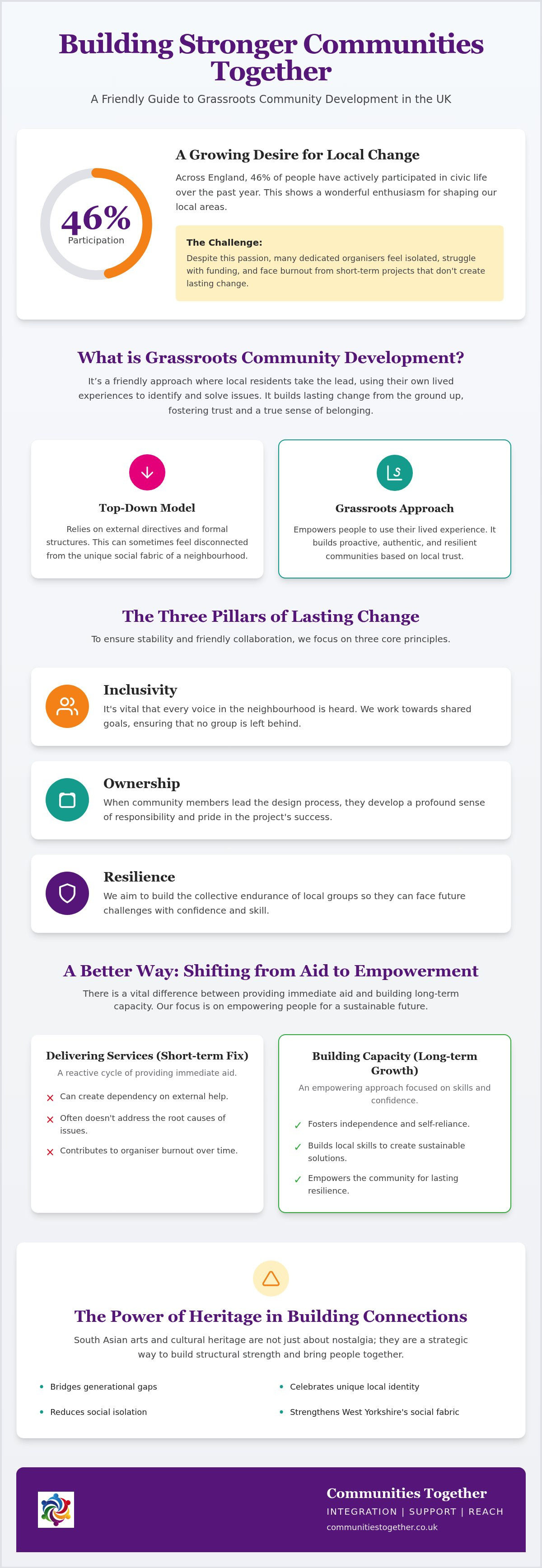
Did you know that 46% of people across England have stepped up to participate in civic life over the last year? This significant rise shows a growing desire to shape our local areas, yet many dedicated organisers still feel isolated from formal funding or find it difficult to engage truly diverse groups effectively. You might recognise the familiar weight of burnout that comes from running reactive, short-term projects that don't seem to leave a permanent mark on the neighbourhood. It's a common challenge, and it's perfectly natural to want a more structured way to support the people you care about.
In this guide, we'll discover how grassroots community development UK strategies can foster genuine social cohesion, preserve South Asian heritage, and build lasting resilience across West Yorkshire. You'll gain a clear framework for building community capacity whilst learning how to manage sustainable projects in places like Bradford, Leeds, and Huddersfield. We're going to explore how to move from reactive cycles to long-term harmony, ensuring our local efforts are as professional as they are heartfelt and inclusive for everyone involved.
Table of Contents
What is Grassroots Community Development in the UK?
At its heart, grassroots community development UK is a process where local residents take the lead in identifying and solving the issues that affect their daily lives. Unlike top-down models that rely on external directives, this approach empowers people to use their own lived experience to create meaningful change from the ground up. By fostering a deep sense of togetherness, Community development helps to build a stable foundation where every individual feels valued and heard. It's about more than just solving problems; it's about creating a shared vision for a better neighbourhood.
In 2026, the importance of local trust has never been more evident, especially as we see a shift away from reactive government interventions toward more proactive, community-led infrastructure. These movements thrive because they're rooted in the unique social fabric of our neighbourhoods, allowing for a level of authenticity that formal structures often struggle to replicate. It's about building a collective endurance that ensures social cohesion isn't just a fleeting goal but a lasting reality for everyone. To better understand this concept, watch this helpful video:
The Core Principles of Local Action
For a project to truly succeed, it must be guided by principles that prioritise the people it serves. We focus on three main pillars to ensure long-term stability and friendly collaboration:
Inclusivity: We believe it's vital that every voice in the neighbourhood is heard, ensuring that no group is left behind whilst we work toward shared goals.
Ownership: When community members lead the design process, they develop a profound sense of responsibility and pride in the project's success.
Resilience: We aim to build the collective endurance of local groups so they can face future challenges with confidence and skill.
Why Local Context Matters in West Yorkshire
Every town has its own story, and addressing the specific needs of Huddersfield, Halifax, and Leeds requires a nuanced understanding of local history. The diverse urban centres across West Yorkshire possess a rich social fabric that influences how people interact and engage with one another. By acknowledging these unique dynamics, we can create programmes that respect cultural continuity whilst facilitating modern progress. Whether it's navigating the industrial heritage of a specific ward or celebrating the vibrant South Asian traditions that define our streets, local context is the key to unlocking genuine, lasting impact.
The Role of Cultural Heritage in Strengthening Social Cohesion
Cultural heritage serves as a profound catalyst for social cohesion, acting as a bridge that connects the historical narratives of our elders with the aspirations of the youth. Within the framework of grassroots community development UK, we see that preserving South Asian traditions is not merely an act of nostalgia but a strategic method for building structural strength within the neighbourhood. By facilitating heritage education and cultural participation, we can significantly reduce social isolation whilst ensuring that the unique social fabric of West Yorkshire remains vibrant and interconnected. Recent initiatives, including increased government funding for community projects, highlight the national recognition of how local heritage groups can foster a deeper sense of belonging. This methodical approach to grassroots community development UK ensures that every resident feels a sense of purpose and accountability within their local area.
South Asian Arts as a Tool for Engagement
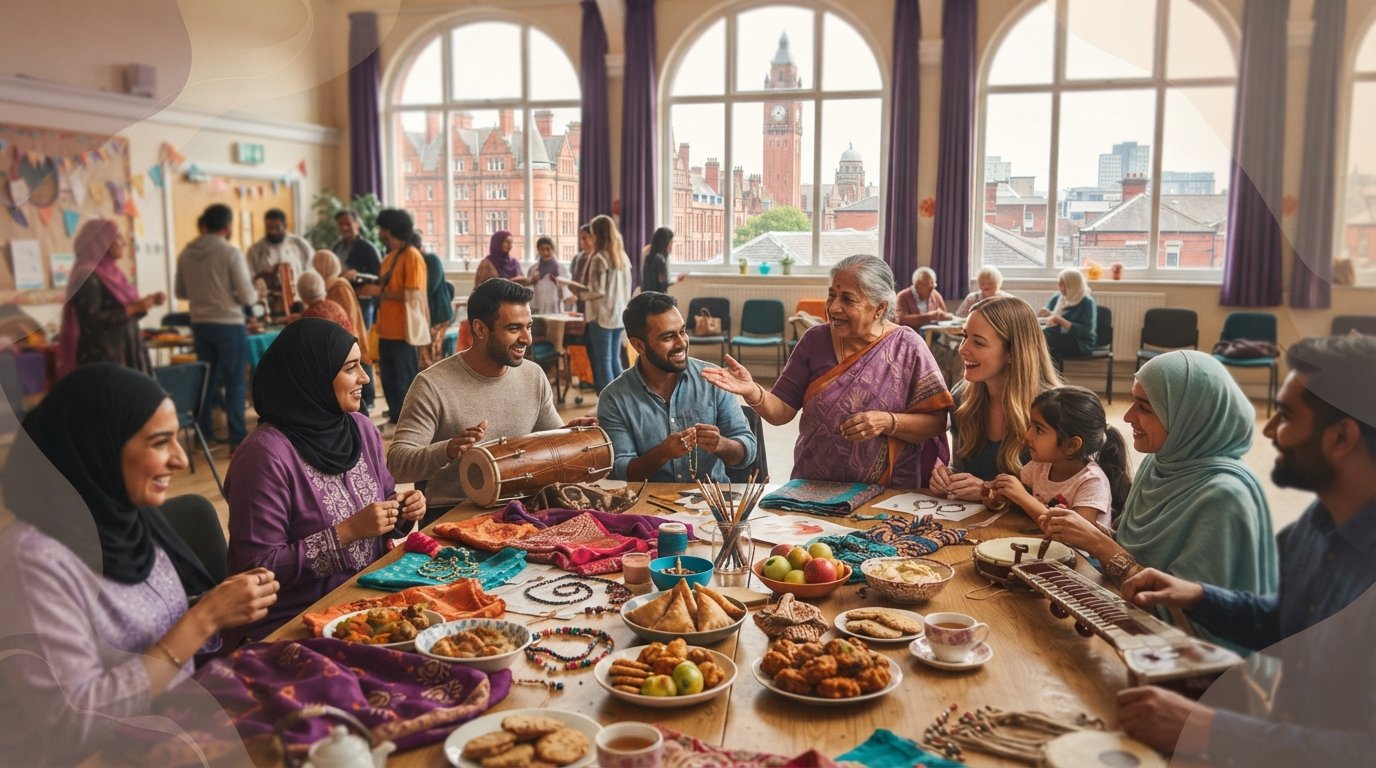
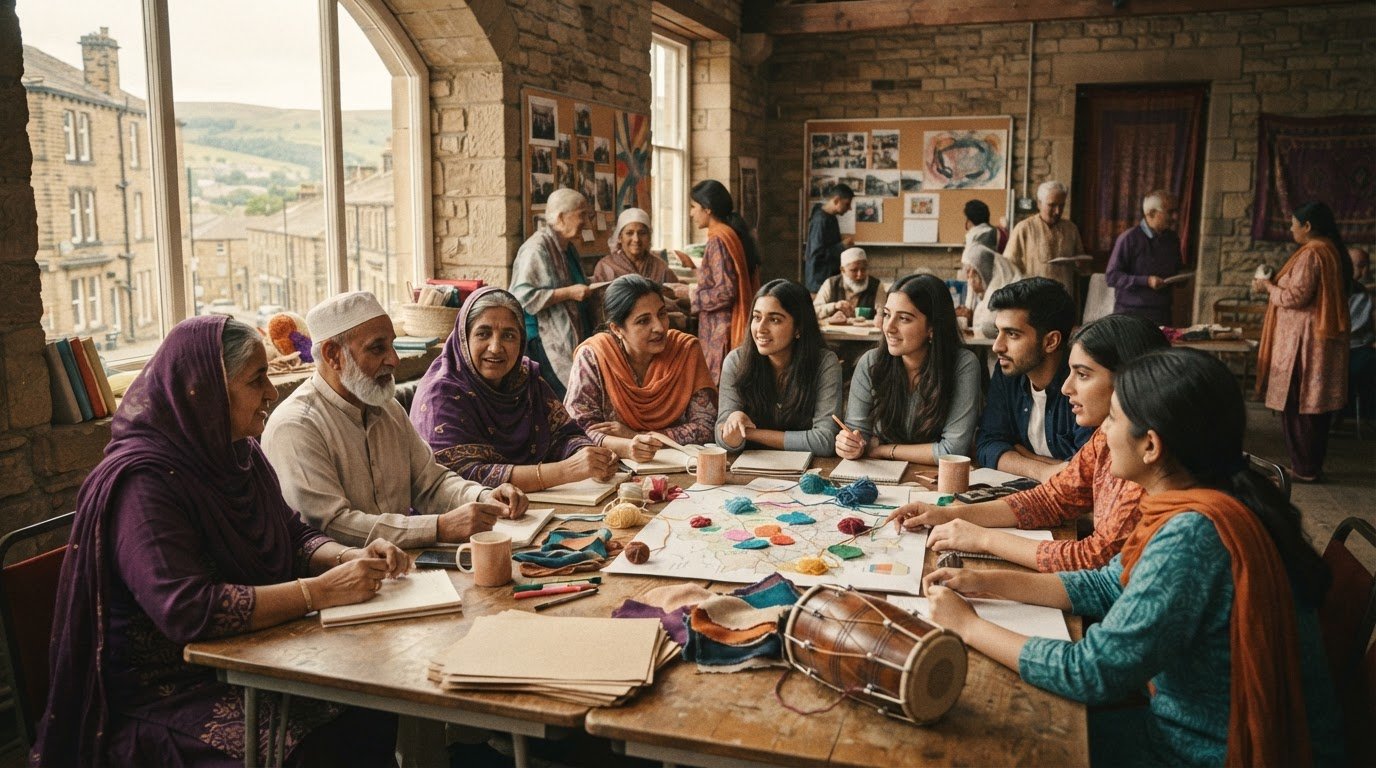
Creative expression through South Asian arts activities offers a welcoming entry point for individuals who might otherwise feel disconnected from formal civic structures. These programmes use workshops in traditional crafts, music, and storytelling to foster inclusive participation, allowing residents to share their lived experiences in a supportive environment. We've found that celebrating this shared history directly improves collective wellbeing by validating personal identities and creating a common ground for dialogue between different ethnic groups. Schools and community centres across Leeds and Huddersfield are increasingly adopting heritage projects as a way to promote stability and harmony amongst their students and patrons.
Building Identity Through Shared History
When we engage diverse groups in Bradford and Wakefield through heritage preservation, we're doing more than archiving the past; we're enhancing the collective endurance of the community. These projects encourage residents to take pride in their local area, which in turn fosters a stronger commitment to long-term social responsibility and mutual support. By documenting the journeys of the South Asian diaspora, we provide a stable foundation for younger generations to understand their place within the broader UK society. Cultural identity is the bedrock of local togetherness.
If you're looking to start a project that celebrates your neighbourhood's unique story, exploring our South Asian heritage activities can provide the professional guidance needed to build lasting resilience.
Building Capacity vs. Delivering Services: A Strategic Comparison
Adopting a capacity-building model offers several profound benefits for local groups seeking to make a lasting impact. It reduces dependency on external funding by fostering self-sufficiency, develops community leaders who possess a nuanced understanding of local dynamics, and creates a steady pulse of professional promise and social delivery. This transition requires a dedicated commitment to learning, skills, and personal development, ensuring that the knowledge and expertise stay within the neighbourhood long after a specific project concludes. It's a friendly and supportive way to ensure that the progress we make today becomes the stable foundation for tomorrow's success, allowing residents to manage their own growth with confidence.
Strategic Partnerships for Collective Growth
Sustainable infrastructure is rarely built in isolation; instead, it relies on collaborative partnerships that link small, grassroots groups with established organisations for professional support and guidance. These strategic alliances strengthen local community infrastructure by sharing vital resources, specialist expertise, and broader networks, which ultimately facilitates a more inclusive and effective form of engagement. If you are interested in how these frameworks operate on a larger scale, you might find our guide on Community Capacity Building UK helpful for understanding the broader landscape of strengthening local systems. Through this collaborative spirit, we can ensure that grassroots community development UK remains a powerful force for social responsibility and cultural continuity across West Yorkshire cities like Bradford and Wakefield.
How to Organise and Sustain a Grassroots Project
Organising a successful initiative requires a methodical approach that begins with a deep understanding of the unmet needs within your local neighbourhood. It's not just about starting a project; it's about building a foundation of community trust that allows you to mobilise volunteers and foster genuine participation. By identifying specific gaps in social welfare or cultural representation, you can design inclusive programmes that promote wellbeing and resilience whilst ensuring that every resident feels a sense of ownership. Measuring your impact is equally vital, as it provides the accountability needed to attract future support and demonstrates the tangible benefits of grassroots community development UK strategies across West Yorkshire. This data-driven approach helps to transform personal stories of growth into a compelling case for sustained investment.
Planning Your Community Engagement Programme
To move from a reactive idea to a stable project, you must set clear, mission-driven goals that prioritise long-term social impact over short-term excitement. Organising workshops that focus on skills and personal development allows participants to grow alongside the project, creating a self-sustaining cycle of progress. It's essential to ensure your project is accessible to diverse backgrounds, taking into account the unique cultural threads that make up cities like Bradford, Leeds, and Huddersfield. By facilitating a welcoming environment, you encourage a steady pulse of professional promise and social delivery that reflects the true diversity of our urban centres.
Securing Sustainability and Growth
Sustaining momentum is often the greatest challenge for local organisers, especially when navigating the complex terminology of community development and grant applications. We recommend building a structure that supports your team, ensuring you maintain progress whilst actively avoiding volunteer burnout through shared responsibility and realistic timelines. Strengthening your project's infrastructure often involves adopting Strategic Community Engagement Programmes that provide a clear roadmap for social cohesion and cultural preservation. You'll need to keep a close eye on funding cycles, such as the September 30, 2026 deadline for Groundwork's Grassroots Grants, to ensure your financial foundation remains secure. By documenting your successes and learning from challenges, you create a narrative of collective endurance that resonates with stakeholders and helps advance grassroots community development UK across the region.
Partnership and Collaborative Growth with Communities Together
Communities Together serves as an authoritative bridge-builder across West Yorkshire, facilitating inclusive engagement that empowers local residents to take charge of their own social fabric. We understand that effective grassroots community development UK requires a methodical approach to identifying needs and building structural strength within the neighbourhood. Our commitment to South Asian arts, heritage, and cultural preservation ensures that traditional narratives are woven into modern progress, fostering a deep sense of togetherness and collective endurance. By acting as a professional conduit for social responsibility, we help local groups navigate the complexities of community infrastructure whilst maintaining a clear focus on long-term impact. Our work is rooted in the belief that stable, harmonious communities are built through accountability and a shared sense of purpose.
Tailored Support for Local Groups
We provide friendly guidance and structured learning opportunities designed to build capacity and reduce social isolation in urban centres like Huddersfield, Halifax, and Bradford. Our programmes focus on personal development and skills acquisition, ensuring that community leaders are equipped with the expertise needed to manage sustainable projects. By offering wellbeing and resilience workshops, we support the mental and emotional strength of local organisers, helping them avoid burnout whilst they work toward a shared vision of harmony. This tailored support is built on a foundation of professional literacy in social welfare, providing a stable platform for others to build upon. We're here to help you turn your local insights into a steady pulse of professional promise and social delivery.
Get Involved in Our Mission
Partnering with us offers a unique opportunity to participate in meaningful heritage and cultural projects that celebrate the diverse history of West Yorkshire. We invite local groups and individuals to access our workshops, which are designed to foster inclusive participation and improve collective wellbeing through creative expression and shared learning. Whether you are looking to preserve a specific tradition or develop new skills for community leadership, our team is here to facilitate your growth with quiet confidence and principled expertise. We believe that by working together, we can create a lasting legacy of social cohesion and cultural continuity for generations to come. It's about building a future where every voice is heard and every contribution is valued.
Building a Stronger Future for West Yorkshire
By prioritising long-term empowerment over reactive fixes, we can ensure that grassroots community development UK remains a stable and transformative force for our neighbourhoods. We've explored how the preservation of South Asian heritage and the methodical building of local capacity create a foundation for social responsibility, cultural continuity, and collective endurance. These strategies allow us to move beyond temporary aid, facilitating a future where every local group has the structural strength to thrive independently whilst remaining deeply connected to their unique history and shared values.
As specialists in South Asian heritage preservation, Communities Together remains dedicated to acting as a professional conduit for growth across Leeds, Bradford, and Huddersfield. Our mission-driven non-profit focus ensures that every workshop, programme, and partnership is designed to foster harmony whilst providing the friendly, professional support needed to build truly resilient communities. We're eager to walk this path with you, sharing our expertise to weave a stronger social fabric that benefits every resident and preserves our vibrant cultural identity for years to come.
We look forward to seeing the wonderful impact your local projects will continue to make as we build a more inclusive and connected region together.
Frequently Asked Questions
What is the main goal of grassroots community development?
The primary objective of grassroots community development UK is to facilitate community-led action that empowers local residents to identify and address the specific challenges within their own neighbourhoods. By fostering togetherness and collective endurance, these initiatives build a stable foundation for long-term social cohesion and structural strength. This approach ensures progress is rooted in lived experience, allowing people to take ownership of their future. It's about building from the ground up.
How can cultural heritage projects improve social cohesion?
Cultural heritage projects serve as a catalyst for togetherness by connecting historical narratives with modern aspirations, effectively bridging the gap between different generations and backgrounds. Through the preservation of South Asian traditions and shared history, these initiatives validate personal identities whilst fostering a sense of belonging within the broader community. This collaborative process encourages mutual respect across cities like Bradford and Leeds. Connection is the key to local harmony.
Why is community capacity building important for local groups?
Community capacity building is essential because it shifts the focus from short-term aid to long-term empowerment, ensuring local groups possess the skills and leadership needed to sustain their own growth. By facilitating structured learning and personal development, we help organisations reduce dependency on external funding whilst unlocking the untapped potential of their members. This methodical approach creates a steady pulse of professional promise across West Yorkshire. It's a journey toward self-sufficiency.
How do I start a community engagement programme in West Yorkshire?
To begin a community engagement programme, you should first identify the unmet needs within your local neighbourhood through active listening and relationship building. Once you've established a foundation of trust, you can mobilise volunteers and set clear, mission-driven goals that prioritise inclusive participation and social impact. It's helpful to seek professional guidance from established facilitators who understand the social fabric of Huddersfield and Halifax. Start by listening to your neighbours.
Can South Asian arts heritage education help reduce social isolation?
Yes, South Asian arts heritage education is a powerful tool for reducing social isolation by providing inclusive participation opportunities through creative workshops and storytelling. These activities offer a welcoming environment where individuals can share their lived experiences and connect with others over shared cultural traditions. By facilitating these meaningful interactions, we help residents build supportive networks that enhance collective wellbeing across Bradford and Wakefield. Creative expression builds lasting bridges.
What are the benefits of wellbeing and resilience workshops for communities?
Wellbeing and resilience workshops provide essential non-clinical interventions that strengthen the emotional and structural endurance of local groups. These sessions focus on personal growth and skills acquisition, helping individuals manage the pressures of community work whilst maintaining a healthy balance. By fostering a culture of mutual support and accountability, these workshops ensure that projects remain sustainable in cities like Leeds and Huddersfield. Resilience is vital for long-term success.
How does Communities Together support local non-profit initiatives?
Communities Together acts as a professional conduit for collective growth by providing tailored support in partnership and community capacity building. We specialise in facilitating South Asian arts and heritage activities that strengthen social cohesion across West Yorkshire, offering expert guidance for projects in Halifax and Huddersfield. Our mission-driven approach focuses on building lasting resilience through structured learning and skills development for local groups. We're proud to be your partner.
What is the difference between a community project and a community enterprise?
A community project is typically a time-bound initiative focused on addressing a specific social need or celebrating a particular event, often relying on grants or voluntary contributions. In contrast, a community enterprise operates with a more sustainable business model, generating its own income to reinvest back into local social benefits and long-term infrastructure. Both models are vital for grassroots community development UK strategies. Each path helps our neighbourhoods grow.

Comments