
Arts and heritage learning programmes in the UK: a practical guide
What if a heritage learning programme began not with a set activity, but with the knowledge, interests and stories people already bring? It can be hard to tell what counts as arts and heritage learning or how to choose an approach that feels relevant, accessible and shaped by its community. Exploring arts and heritage learning programmes UK communities can take part in means looking beyond one-off workshops to the people, place and purpose that give learning its meaning.
This guide explains possible activities and formats, and offers practical questions to help you assess participants, setting, access and learning aims. It also looks at how locally grounded, participant-led practice can support cultural participation and connect heritage with skills development and collaboration. Whether you’re planning a programme or looking for a local organisation to talk with, you’ll find a useful starting point, including examples relevant to Huddersfield, Halifax, Leeds, Bradford and Wakefield, and how Communities Together may be a partner to discuss.
Table of Contents
What arts and heritage learning programmes in the UK can include
Arts and heritage learning programmes UK can take many forms, but they share a focus on learning through artistic practice, cultural knowledge or exploring heritage. A programme might invite people to make, discuss, record or reinterpret something. The activity is shaped around a clear purpose, rather than being something to watch or visit without taking part.
A performance, exhibition or collection of documents can be a useful starting point, but it isn’t automatically a learning programme. Look for opportunities to participate, ask questions, build understanding or reflect on what has been explored. For example, a group might respond creatively to an exhibition or use family stories as the starting point for an oral history activity.
This video offers another perspective on learning about art and cultural heritage:
What makes an activity a learning programme?
A clear purpose, skilled facilitation and time to reflect can connect an activity to learning. Participants might develop practical skills through craft, encounter cultural knowledge through storytelling or consider how heritage relates to their lives and community. Learning may involve knowledge, confidence, creative skills or cultural understanding, but experiences and outcomes will differ between participants.
Reflection doesn’t need to be formal. It could mean sharing what people noticed, discussing a creative choice or deciding what they’d like to explore next. This helps participants and facilitators consider whether the activity is meeting its aims and what might need adapting.
Which art forms and heritage themes might be explored?
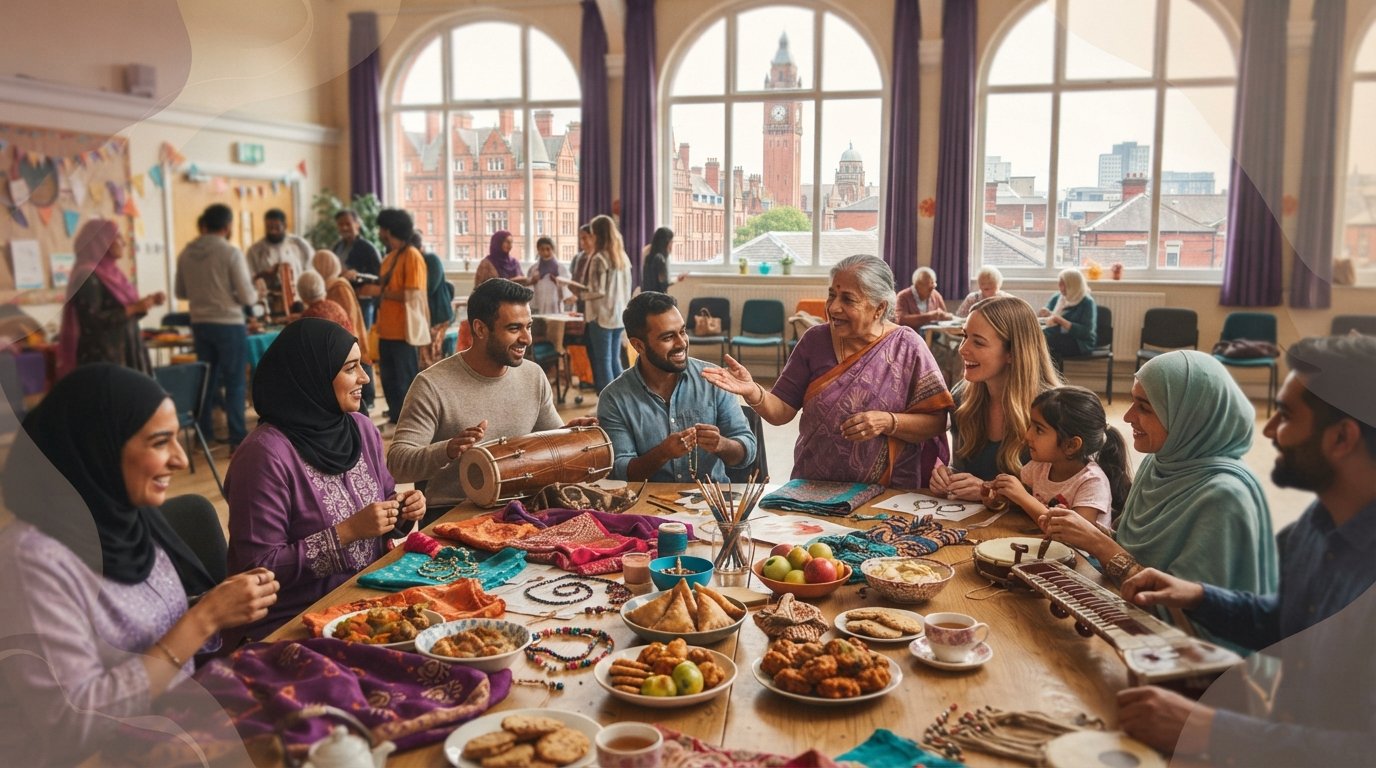
Possibilities include craft, music, storytelling, oral history and creative interpretation, such as making artwork in response to an object, place or shared memory. Intergenerational learning can bring people of different ages together to exchange skills and perspectives. South Asian arts and heritage can provide a focus for exploring cultural practice and preservation, but it is one possibility, not a template for every programme.
Choose themes collaboratively. Participants and local partners can help identify what feels meaningful, which voices and stories to include, and how people want to take part. For broader context on national support for arts and humanities research, see the Arts and Humanities Research Council (AHRC).
How participant-led arts and heritage learning can take shape in West Yorkshire
Participant-led learning means the people taking part help shape what is explored and how learning happens. Their knowledge and interests inform programme design, rather than being added after plans are fixed. This can make activities more relevant and give participants a clearer role in the learning process.
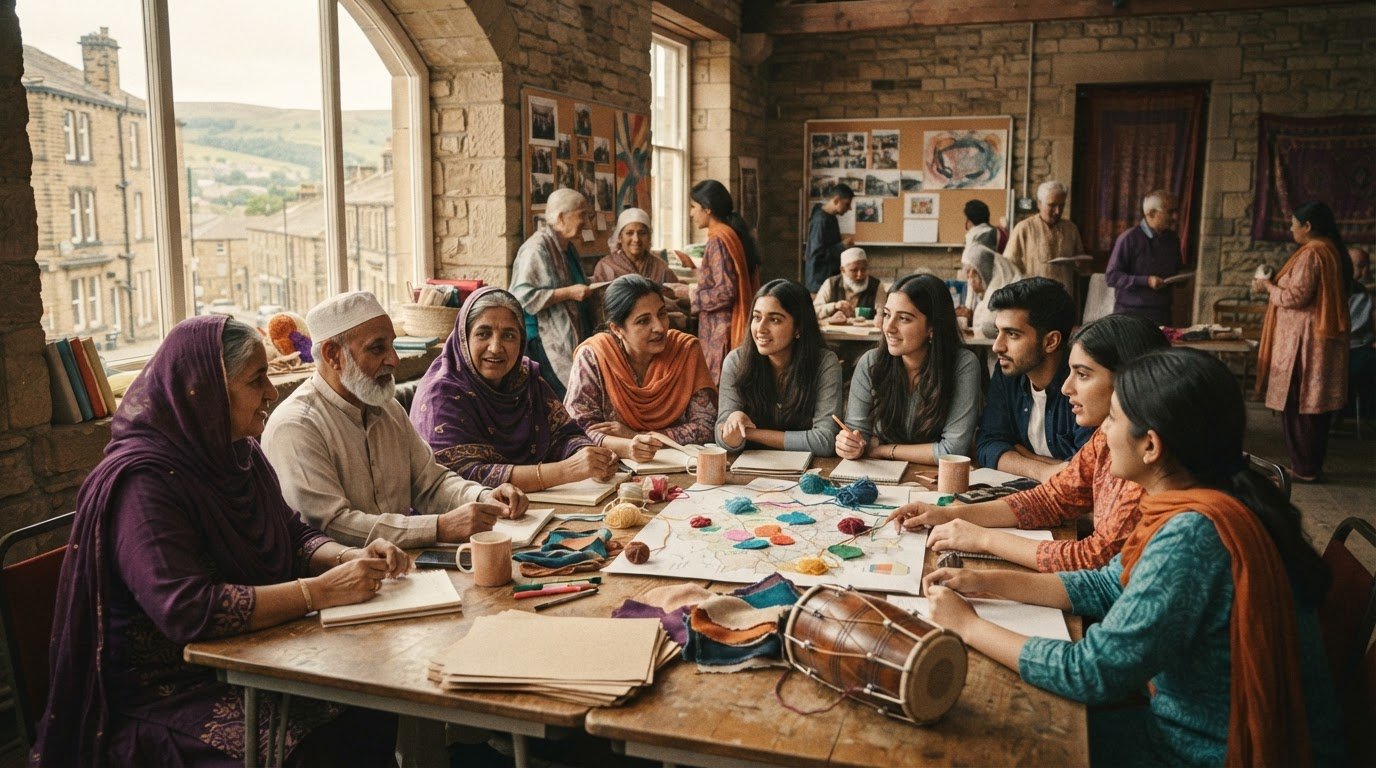
In Huddersfield, Halifax, Leeds, Bradford and Wakefield, a locally grounded programme could explore stories, creative practices or aspects of heritage that matter to the people involved. These are examples of possible approaches, not a list of scheduled activities. Start by listening, then develop a format that reflects community interests and the programme’s aims.
How can participants shape programme content?
Begin with accessible conversations or planning sessions. Options might include open discussion, a short written prompt or small-group conversations, so people can contribute in a way that suits them. Ask what they’re interested in, what they already know and what would help them feel comfortable taking part. Don’t assume that everyone in a community shares the same experience or perspective.
Turn those insights into practical choices: which themes to explore, which creative methods to use and how to make time for reflection. For example, participants interested in local memories might help shape a storytelling or oral history activity. A group keen to learn by making might prefer a hands-on creative approach. Educators can contribute knowledge of learning processes, cultural practitioners can bring artistic experience, and community groups can help identify relevant context and ways to involve people. Agree how each contribution will inform decisions.
How can local partnerships support learning?
Partnerships work best when organisations agree shared aims, responsibilities and how participant input will shape decisions. A community organisation may help build relationships and understand local priorities, while an educator or cultural practitioner may contribute subject knowledge and facilitation. Agreeing roles early can prevent gaps or duplicated effort and clarify who will gather feedback and use it to inform future activity.
For educators connecting creative activities with school learning, the National curriculum for art and design can provide a reference point for its aims and subject content in England. Community programmes can have different purposes, so use this as a reference rather than a template for every setting.
Organisations exploring strategic community engagement programmes may want to discuss how participant voice, local knowledge and cultural learning can inform a shared approach. Communities Together works in community engagement, South Asian arts and heritage activities, and partnership capacity building, which may provide a starting point for that conversation.
How to compare arts and heritage learning programme formats
Choosing a format is about matching the learning aims to participants, setting and available time, rather than finding a universal best option. A focused workshop may introduce a creative activity, while a series can give people chances to return to ideas and develop their practice. Neither format guarantees a particular result. The key question is whether it suits the people taking part.
The right programme format is the one that fits the learning aims and participant context. Use the comparison below to assess options for arts and heritage learning programmes UK organisations may develop or take part in. Duration depends on the design, so treat these descriptions as flexible rather than fixed schedules.
When might a workshop or a longer programme be suitable?
A workshop may suit an aim such as introducing a theme or letting participants try a creative method in a contained format. A longer programme can allow people to revisit ideas and develop their practice across sessions, if this fits their availability and interests. More sessions alone don’t ensure deeper learning, so weigh continuity against the group’s purpose, setting and capacity.
What should organisations ask a potential delivery partner?
Discuss practical details before choosing a format. Ask how participants can shape planning, take part in delivery and share feedback. Clarify the learning focus, access considerations and each partner’s responsibilities. It’s also useful to agree how the approach will be reviewed and adapted as the work progresses.
Organisations considering community learning and skills development can use these questions to explore how a programme might support learning and creative participation. A clear discussion of aims and roles helps partners choose a workable, relevant approach without assuming one format suits every community.
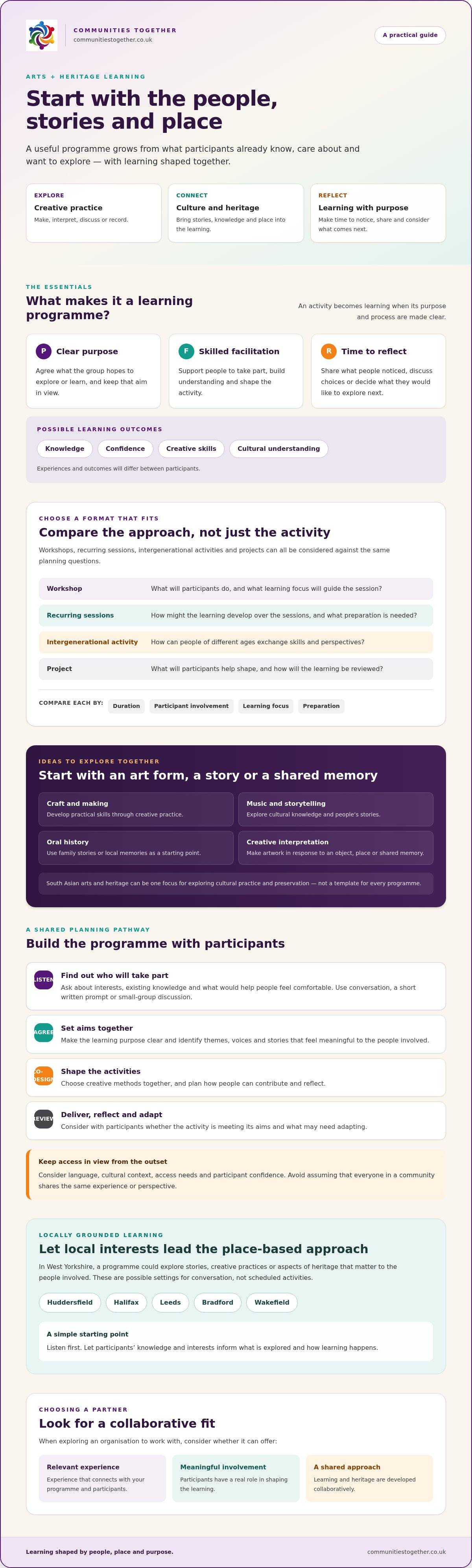
Planning an inclusive arts and heritage learning programme across West Yorkshire
Good planning gives participants a meaningful role from the outset and helps partners make informed choices about purpose, format and delivery. For organisations developing arts and heritage learning programmes UK communities can take part in, use a practical sequence: identify who the programme is for, agree what it aims to explore, co-design activities, deliver them and review what participants and partners learn along the way.
Huddersfield, Halifax, Leeds, Bradford and Wakefield can help frame local conversations, but naming an area doesn’t confirm that a particular programme is available there. Check with potential partners about their current focus and whether the proposed location, setting and approach are suitable.
Identify participants: Consider who the programme hopes to involve and how their interests and experiences can inform its design.
Agree aims: Decide what participants and partners want to explore or learn, keeping the purpose clear and realistic.
Co-design activities: Discuss themes, creative methods and opportunities for people to contribute.
Deliver and review: Make space for feedback during and after activities, then consider what to adapt.
How can planners make participation more accessible?
Ask people what would help them take part instead of assuming one adjustment will suit everyone. Invite discussion about communication, language, location, timing and preferred creative formats. Consider cultural context and confidence alongside practical access. Some participants may be comfortable speaking in a group, while others may prefer a quieter conversation or another way to share ideas.
Raise these points with delivery partners early so they can discuss what may be possible in the chosen setting. Be clear about what has and hasn’t been confirmed, and don’t promise specific access provision until the organisation responsible has agreed it.
How can learning and community value be reviewed?
Before activities begin, agree what participants and partners want to learn or reflect on. Keep feedback proportionate to the programme: a short conversation, a simple prompt or participants’ reflections may help identify what felt relevant and what could change. Facilitators can also note participation and themes raised, without treating observations as proof of measured impact.
Use feedback to inform decisions, such as adjusting an activity, clarifying its purpose or discussing further collaboration. Organisations exploring community capacity building in the UK can consider how shared learning and partner roles might support ongoing participation.
Finding an arts and heritage learning partner in the UK
Choosing a partner for arts and heritage learning programmes UK communities can take part in is about finding a good fit, not simply selecting an activity. Look for relevant experience, a willingness to involve participants in shaping the work, a clear learning focus and an open approach to collaboration. Discuss how the partner understands the community and setting, and how they’ll respond if participants’ interests point in a different direction.
Before deciding, ask how the programme will be developed, who will be involved in planning and delivery, and how feedback will be used. Clarify responsibilities and practical arrangements together, including access considerations. These conversations help you assess whether the proposed approach matches your aims without assuming a particular programme, location or delivery date is available.
What can Communities Together contribute?
Communities Together delivers community engagement programmes, South Asian arts and heritage activities, and learning, skills and personal development opportunities. Its work also includes heritage and cultural preservation, wellbeing and resilience workshops, and partnership and community capacity building. These areas may suit organisations looking to connect cultural learning with community participation and collaboration, though the right approach depends on each partnership’s needs and aims.
For organisations exploring cultural heritage preservation in the UK, it may help to discuss how local knowledge, cultural practice and learning interests could inform a shared programme. Communities Together’s local focus includes Huddersfield, Halifax, Leeds, Bradford and Wakefield. This doesn’t guarantee that a programme is available in any particular place.
What are useful next steps for a local organisation?
To make an initial conversation productive, note who you hope to involve, the place or community you’re working with, what participants may want to explore and which organisations could contribute. You don’t need a fully formed plan. A clear outline of your interests can help you and a potential partner find out whether there’s a shared starting point.
Useful questions include:
How could participants help shape the programme and its activities?
What learning aims and creative approaches might fit the group?
How would partner responsibilities be agreed?
How would participant feedback inform delivery or future planning?
If you’re considering a locally grounded programme, you can discuss a community learning programme with Communities Together. Share your starting ideas and explore whether its community engagement, arts and heritage activities or learning and skills opportunities are relevant to your aims.
Take the next step towards community-led cultural learning
The most useful arts and heritage learning programmes UK communities can shape begin with clear aims and a genuine willingness to listen. Choose a format that fits participants, setting and interests, then consider access and cultural context as part of planning. Reviewing participant and partner feedback can guide future decisions without assuming every programme will have the same outcomes.
For organisations seeking a local partner, Communities Together brings together South Asian arts and heritage activities, community engagement and partnership capacity building, alongside learning, skills and personal development opportunities. These areas may provide a starting point for exploring a programme that reflects local interests and shared aims.
With thoughtful collaboration and participants involved from the outset, your next conversation can help create a welcoming foundation for cultural learning and participation.
Frequently Asked Questions
What are arts and heritage learning programmes?
Arts and heritage learning programmes are structured activities that help people learn through creative practice, cultural knowledge or exploring heritage. They usually have a clear learning purpose and involve facilitation, participation or reflection, rather than being only an event to watch or visit. Learning might include gaining knowledge, trying a practical skill or exploring cultural understanding, although experiences and outcomes differ between participants and programmes.
What activities can an arts and heritage programme include?
Activities can include creative workshops, craft, music, storytelling, oral history, intergenerational learning and creative responses to heritage. A programme might invite participants to share memories, learn a technique or interpret a cultural theme together. The most suitable activity depends on participants’ interests, the setting and the learning aims. Discuss these early so the chosen format feels relevant rather than imposed.
Are arts and heritage learning programmes only for schools?
No. Arts and heritage learning programmes UK communities take part in can be developed for different groups and settings, not only schools. Community organisations, local groups and partners may explore cultural knowledge, creative practice or heritage through shared learning activities. The approach should reflect who will participate and what they hope to explore. If a programme is intended for a school, discuss how its aims and format fit that setting.
How do you choose an arts and heritage learning programme?
Start by identifying who will take part, what they’re interested in and what the programme should help them explore. Then compare formats such as a focused workshop, recurring sessions or a project-based approach, considering participant involvement, preparation and learning focus. Ask potential partners how participants can shape activities, what access considerations they’ll discuss and how feedback will inform delivery. Choose the option that fits the people and purpose.
Can heritage learning include South Asian arts and culture?
Yes. Heritage learning can include South Asian arts and culture, alongside many other cultural traditions and local histories. Activities might explore creative practice, cultural knowledge or preservation through participant discussion and artistic approaches. Communities Together provides South Asian arts and heritage activities and cultural preservation projects. Consider themes and methods with participants and partners, recognising that people’s experiences and connections to culture can differ.
How can communities find arts and heritage learning in West Yorkshire?
Begin by contacting local community organisations and potential learning partners to ask what their work involves and whether it fits your interests. Communities Together’s local focus includes Huddersfield, Halifax, Leeds, Bradford and Wakefield, with work in community engagement, South Asian arts and heritage, and learning and skills development. Ask directly about current opportunities and programme suitability, as a local focus doesn’t confirm that a particular activity or date is available.
How can an organisation tell whether a programme is inclusive?
Ask whether participants have a meaningful role in shaping the themes, activities and ways of taking part. Discuss access, language, cultural context, communication, location and timing with participants and delivery partners, rather than assuming one approach will suit everyone. Clarify what adjustments can be provided before making commitments. A programme can also gather feedback in accessible ways and use it to review what felt welcoming and what may need to change.

Comments