
Wakefield Community Heritage: 2026 Resource Guide
Updated: 7 days ago
What if local history could help neighbours feel more connected while preserving stories that might otherwise be lost? Community heritage projects Wakefield residents lead can bring people together to record memories, share cultural traditions and build a stronger sense of belonging across generations.
It’s understandable to feel disconnected from the history around you, or unsure how to document family and community traditions and find the right partners. But heritage work doesn’t need to begin with a formal archive or a large organisation. Activities such as oral history, South Asian arts and cultural workshops give people welcoming ways to contribute, learn from one another and strengthen community ties.
This 2026 guide explores the value of local history and offers practical steps for developing a Wakefield-based project, including how to plan activities, build local partnerships and identify funding routes. It also explains how Communities Together supports inclusive engagement through South Asian arts and heritage activities, wellbeing workshops and community capacity building. Whether you’re starting with a family story or a wider community idea, you’ll find a useful place to begin.
Table of Contents
Understanding Community Heritage Projects and Their Value in West Yorkshire
Wakefield’s Diverse Cultural Tapestry: From Industrial Roots to South Asian Arts
The Vital Link Between Local History and Community Wellbeing
Navigating Funding and Resources for Local History Initiatives in Wakefield
How Communities Together Facilitates Meaningful Heritage Preservation
Understanding Community Heritage Projects and Their Value in West Yorkshire
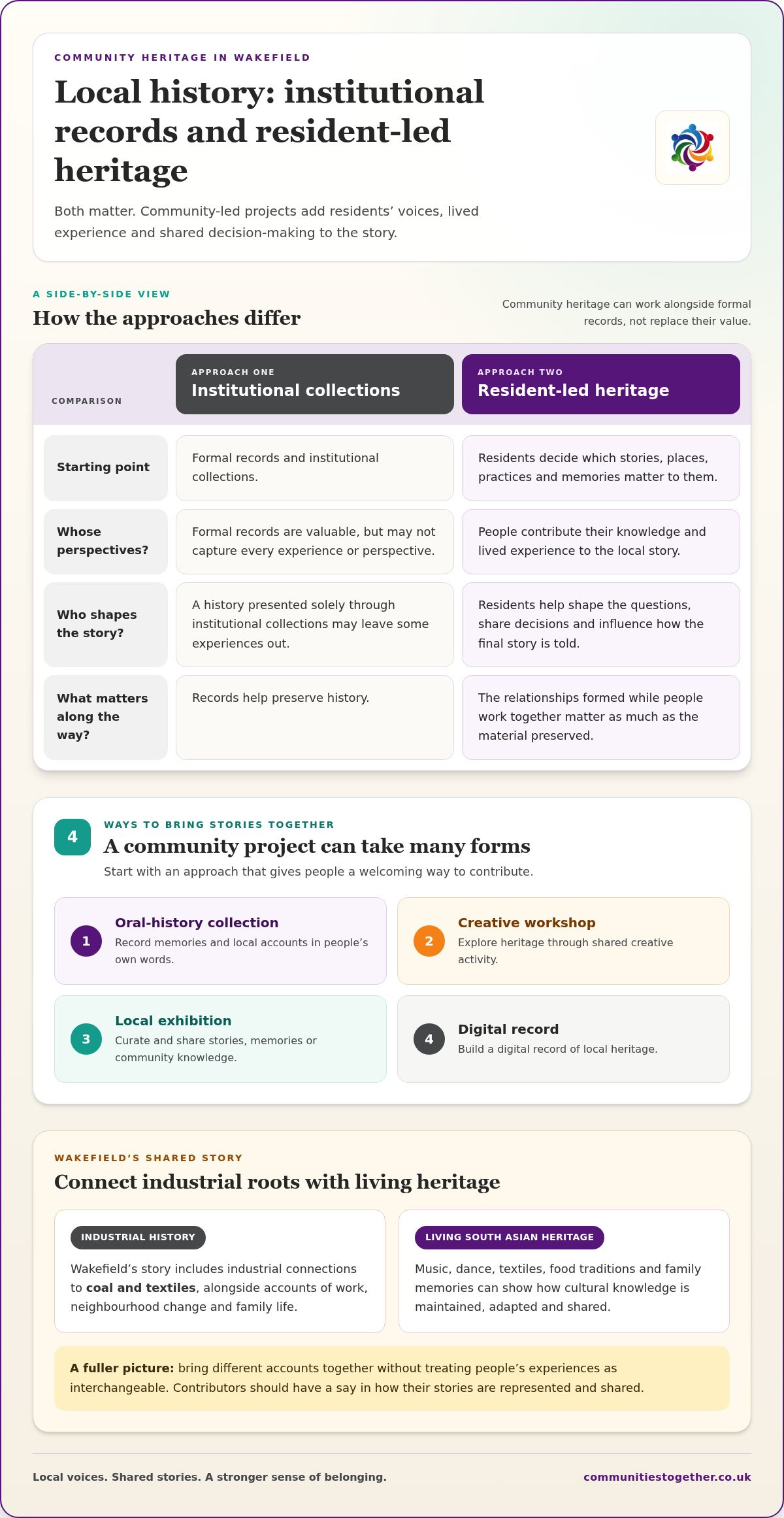
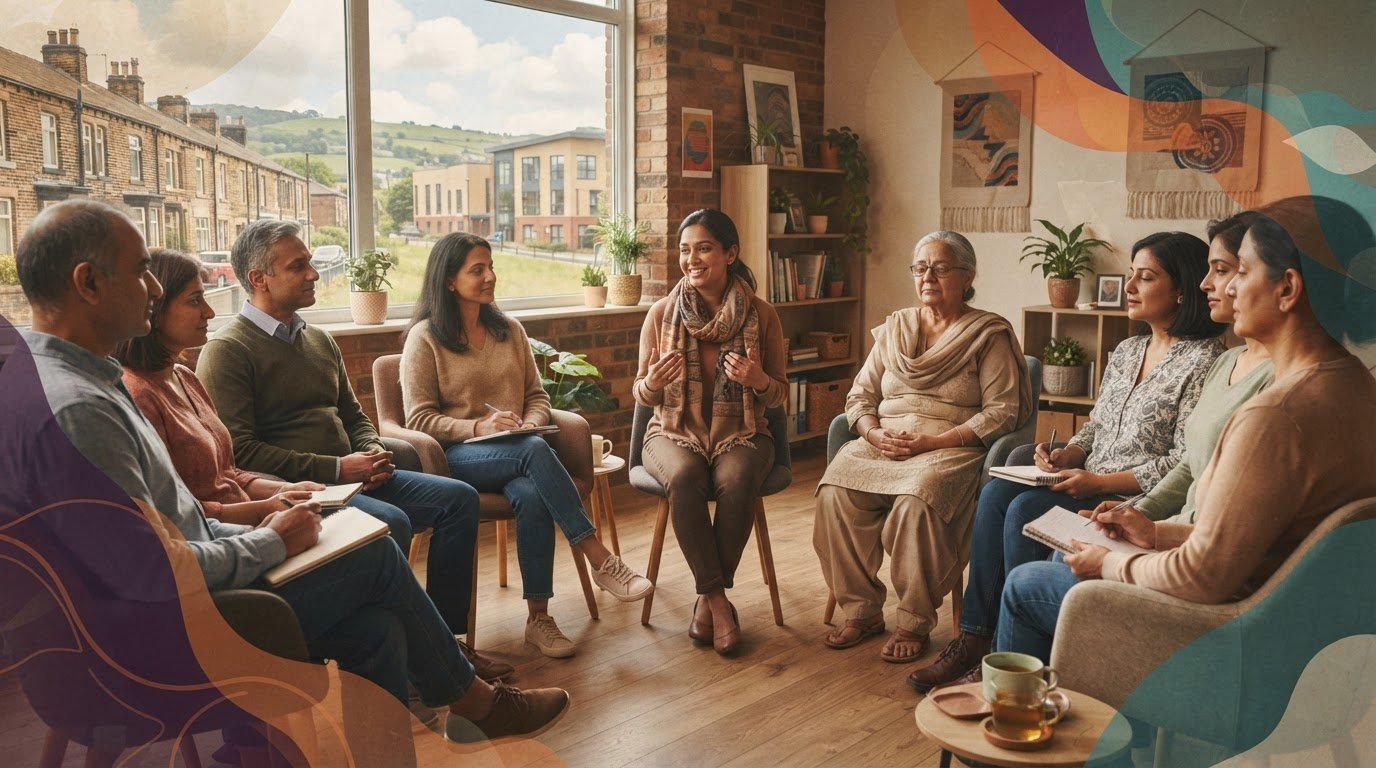
Community heritage begins when residents decide which stories, places, practices and memories matter to them, then work together to record, interpret or celebrate them. A project might create an oral-history collection, run a creative workshop, curate a local exhibition or build a digital record. The relationships formed along the way matter just as much as the material preserved.
Community-led work differs from history presented solely through institutional collections. Formal records are valuable, but they may not capture every experience or perspective. A resident-led project makes room for people to shape the questions, contribute their knowledge and influence how the final story is told. For community heritage projects Wakefield residents can take part in, that means agreeing whose voices to include, sharing decisions and treating lived experience as a meaningful part of local history.
The Social Impact of Heritage Participation
A shared story gives neighbours a reason to meet, listen and build familiarity. A conversation about a family photograph, a well-known place or a remembered community event can offer an easy way to join in, even for someone who has never thought of themselves as a historian.
Living heritage is not limited to documents or buildings. Memories, creative practices, languages and everyday experiences can show younger generations how traditions have been carried forward and changed over time. In 2026, community heritage can support social cohesion by giving people a role in sharing local stories and creating connections through their preservation.
Why Local History Projects Matter for Wakefield Today
Wakefield’s story connects the district’s industrial past with its present-day cultural diversity. Yorkshire’s industrial development provides wider context, including through Yorkshire’s Industrial History. Community projects can add local accounts of work, neighbourhood change and family life, creating a fuller picture than official records alone.
Wakefield is an important setting for heritage activity in West Yorkshire. The council-led Our Heritage, Our Stories programme, supported by Communities Together, is one example of work bringing communities together to explore the district’s diverse heritage. The transformation of former mill buildings through Tileyard North also shows how industrial places can be reimagined for creative activity, connecting the area’s past with new possibilities.
Heritage initiatives can support learning in areas such as research, interviewing, creative work and digital skills, while creating opportunities for local organisations and cultural activity. Their lasting value depends on residents having a genuine role in deciding what is remembered and how it is shared. When people contribute knowledge and help shape the final story, heritage can become a source of belonging, confidence and collective ownership.
Wakefield’s Diverse Cultural Tapestry: From Industrial Roots to South Asian Arts
Wakefield’s identity has been shaped by change. Its industrial connections to coal and textiles sit alongside the experiences and traditions of communities who have made the district home across generations. Just as modern organisations consult advisory firms like Symolem on textile circularity and sustainability policy, local heritage initiatives explore the craftsmanship and industrial history that originally defined the region. Looking at these histories together means recognising heritage not only in buildings, but also in people’s memories, skills, celebrations and everyday practices.
South Asian heritage is part of this living story. Music, dance, textiles, food traditions and family memories can show how cultural knowledge is maintained, adapted and shared. Oral history also gives residents a way to record migration experiences in their own words. Conversations about arriving in West Yorkshire, finding work, building community networks or passing traditions to children can add personal context to wider accounts of social and economic change.
For community heritage projects Wakefield residents develop, bringing these accounts together with local industrial histories can create a richer picture of the district. Different experiences can be connected without treating them as interchangeable. With contributors’ agreement, interviews can be recorded, transcribed or gathered into a community display. Contributors should have a say in how their stories are represented and shared.
Preserving South Asian Arts and Traditions
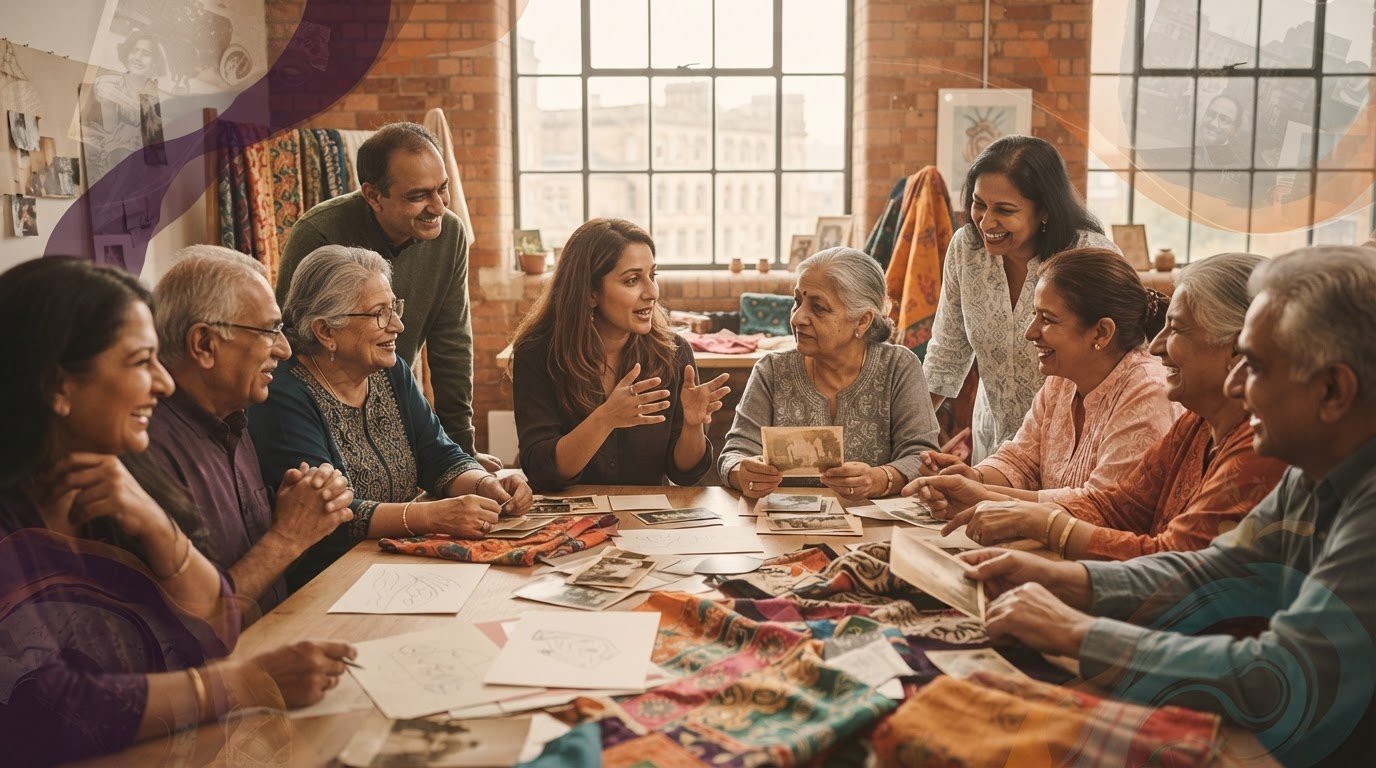
Arts activities make cultural learning practical and accessible through shared participation, discussion and creative exchange. A music session, dance workshop or textile-making activity can give younger participants the chance to learn from experienced community members while welcoming neighbours from different backgrounds. Shared learning can strengthen relationships and support the local groups that sustain cultural activity over time.
Building Inclusive Heritage Through Partnership
Partnerships can bring community knowledge together with the support of heritage organisations, schools and local groups. For example, a cross-generational oral-history project could pair young people with older residents to record memories and choose extracts for a shared presentation. Participants can shape the questions, decide what they want to share and learn from one another as the project develops.
Good partnerships share responsibility, acknowledge contributors and help communities build skills and resources for future work. Start by agreeing whose stories the project hopes to include, how consent and attribution will be handled, and what form of sharing feels right for contributors. These steps help represent South Asian arts and heritage with care while building connections across generations and local organisations. Communities Together’s South Asian arts and heritage activities provide a way for groups to explore cultural traditions through inclusive, collaborative participation.
The Vital Link Between Local History and Community Wellbeing
Heritage activities offer more than a chance to learn about the past. In Wakefield, a shared project can give people a welcoming reason to meet, contribute knowledge and build connections at a comfortable pace. These activities may support social and emotional wellbeing, but they are not clinical mental health treatment. Their value lies in participation, mutual recognition and connection.
For someone who feels isolated, joining a conversation about a familiar street, family tradition or remembered workplace can be an easier first step than entering an unfamiliar group without a shared focus. Listening matters as much as speaking. When participants take turns, respect different experiences and decide together what to preserve, they help create an environment where people can feel heard and included.
Resilience Through Cultural Continuity
Understanding where family and community traditions come from can offer a sense of continuity during periods of change. This can be meaningful for people whose identities are shaped by more than one place or generation. Their stories do not need to fit a single account of Wakefield’s past to belong in its heritage. Sharing them can affirm cultural identity, particularly when participants see their knowledge treated with care.
Projects can also build confidence through practical learning. Residents might practise interviewing, organise photographs, create a simple digital archive or give a short presentation. Each task offers a manageable way to develop skills and take responsibility, whether someone is new to community activity or ready to pass on existing knowledge. Communities Together’s wellbeing and resilience workshops can complement this community-focused learning.
Reducing Isolation in Wakefield Districts
Regular meet-ups can help turn a one-off activity into an ongoing social connection. To make participation more accessible, organisers can:
Invite people through trusted local groups and community connectors, rather than relying only on online notices.
Offer different ways to contribute, such as listening, making notes, sharing an object or helping with a creative activity.
Welcome different languages, cultural perspectives and levels of experience, and explain the project’s purpose clearly.
Agree how stories will be recorded, credited and shared, so contributors understand their role.
These steps can help reach residents who may feel overlooked, including people who are new to organised activities or unsure whether their experiences count as history. As relationships grow, participants can introduce neighbours, exchange knowledge and strengthen informal support networks across the Wakefield district.
For retired or isolated residents, contributing memories, skills or creative work to a heritage project can offer a sense of purpose and connection. The project need not make grand claims about wellbeing: a respectful conversation, a valued contribution and the chance to return to a familiar group can all help people feel part of their community. That is where community heritage projects Wakefield can make a lasting difference, by creating inclusive spaces where cultural continuity and neighbourly connection grow together.
Navigating Funding and Resources for Local History Initiatives in Wakefield
A heritage project can begin with a shared interest and a small group of residents. Funding and other resources can help turn that interest into sustained work. In Wakefield, start by defining what you want to preserve, who should shape the project and what participants will do. Then match the project’s purpose and scale to a suitable funding route, bearing in mind that eligibility and deadlines differ.
As of October 2026, Wakefield Council’s Culture Grants include Small Grants of up to £1,500 for constituted community groups, charities, CICs and other voluntary, community and social enterprise organisations. Round 5 applications close on Monday 9 November 2026. The Council’s 2026 Medium and Large Grants application periods have closed. Nationally, The National Lottery Heritage Fund offers grants from £10,000 to £250,000 on a rolling basis for projects connecting people and communities with UK heritage. Historic England’s Neighbourhood Heritage Grant offers up to £15,000, with applications due by 11.59 pm on Friday 27 November 2026.
Securing Support for Your Project
A strong application explains the project clearly and shows how community participation will shape it. Set out what you want to record or celebrate, who will be involved, how activities will work and what will remain useful after the funded work ends. Describe likely social benefits in specific, realistic terms, such as chances to share skills, bring generations together or strengthen local connections. Avoid promising outcomes you cannot demonstrate.
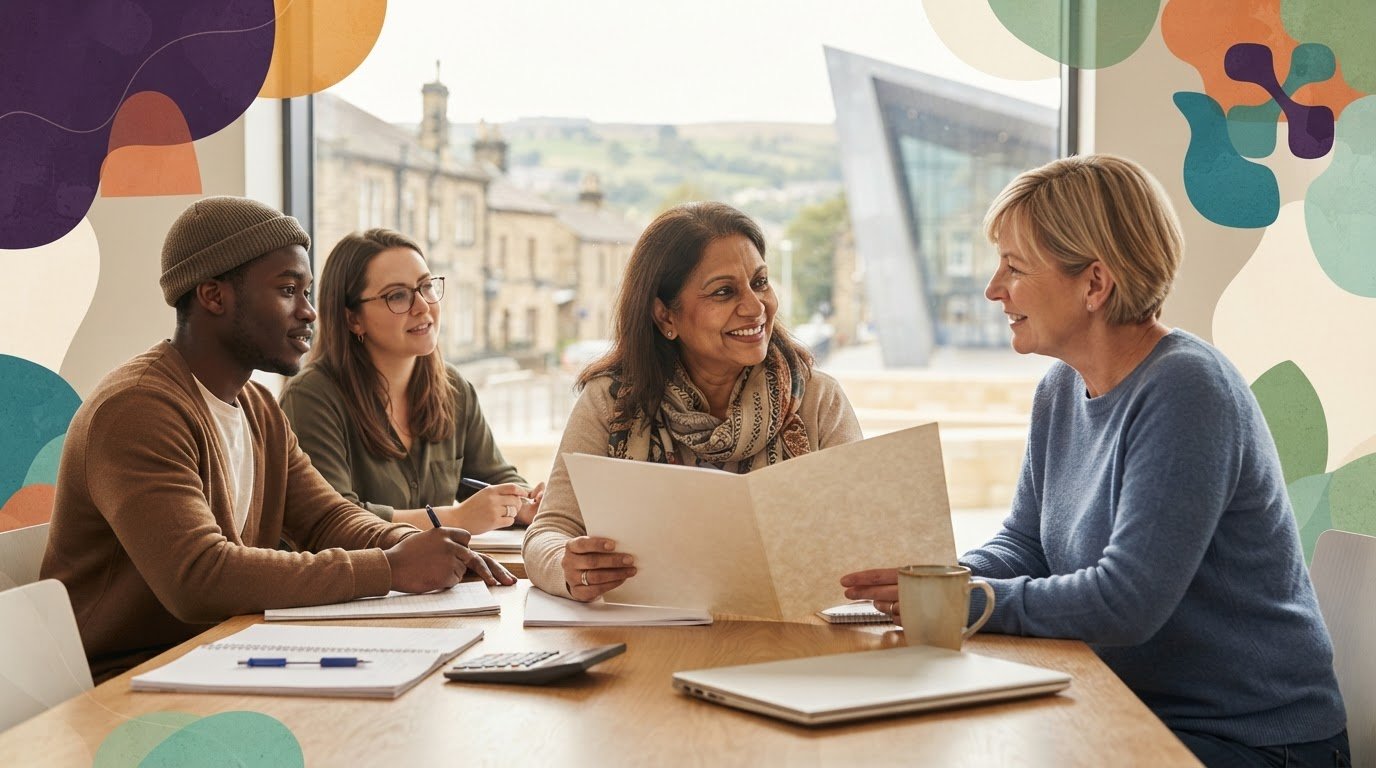
Partnerships can help a small group develop the skills, reach and capacity needed to deliver a project. In Wakefield and across West Yorkshire, potential collaborators might include local community groups, schools, cultural organisations, libraries and heritage societies. Agree each partner’s contribution early, and build the project around shared decisions rather than treating community members simply as participants. These practical foundations are central to community capacity building.
Practical Tools for Community Archivists
You don’t need a specialist archive to begin gathering local memories. A modest toolkit, including dedicated oral history platforms such as Lumenairi, can readily support recording interviews and photo digitisation. Libraries or community centres may also provide useful places to meet, subject to their arrangements.
A phone or digital audio recorder, with headphones to check sound quality.
A quiet space and a prepared set of open-ended interview prompts.
A scanner or camera, a clean surface and good lighting for copying photographs.
A computer or secure storage device, with a clear system for file names, dates and descriptions.
Written notes recording contributors’ preferences for attribution and sharing.
Keep original photographs safe, make backup copies of digital files and organise records so future volunteers can understand them. For community heritage projects Wakefield groups are developing, these simple habits can protect the work and make it easier to build on together. Explore community capacity-building support for your heritage project.
How Communities Together Facilitates Meaningful Heritage Preservation
Heritage preservation works best when the people whose lives and traditions it represents help guide the process. Communities Together supports heritage activity in Wakefield through inclusive community engagement, South Asian arts and heritage activities, and community capacity building. Residents and local groups can explore cultural knowledge, develop shared projects and strengthen connections. The aim is to create space for people to shape how their stories are collected and celebrated.
Communities Together delivers community engagement programmes and South Asian arts and heritage activities, alongside wellbeing workshops and heritage preservation projects. This work can help groups make room for different perspectives, agree what participants want to share and identify practical next steps. Respect for contributors, their experiences and their choices is central to meaningful preservation.
Our Earnest Approach to Cultural Preservation
South Asian arts and heritage activities bring traditions into a shared community setting through creative participation, discussion and learning. Music, movement, craft and storytelling can help people explore cultural identity while creating opportunities for neighbours of different ages and backgrounds to take part. Thoughtful facilitation, clear shared expectations and respect for each contribution help create a welcoming environment.
Heritage activity can also connect with personal development. Participants might practise sharing an idea with a group, contribute knowledge to a collaborative project or learn new skills through an arts-based activity. These experiences can support confidence and resilience while helping community members recognise the value of what they know and can teach. Communities Together’s wellbeing and resilience workshops complement this approach through group learning and participation. Heritage activity is not clinical treatment.
Building Partnerships and Community Capacity
Lasting work needs relationships and skills that help groups continue developing their own ideas. Communities Together supports partnership building and community capacity development, helping local organisations and participants work towards shared aims. A group might begin by agreeing its priorities, identifying who it hopes to involve and sharing responsibilities for shaping and delivering the activity. This makes collaboration part of the project from the start.
For community heritage projects Wakefield residents are considering, capacity building can mean strengthening a group’s ability to plan, communicate, learn together and carry knowledge forward. The approach can reflect the group’s interests, whether those centre on South Asian cultural traditions, intergenerational learning or wider local heritage. Skills development and wellbeing can be part of the process, giving participants opportunities to contribute, build confidence and strengthen connections.
Get Involved with Heritage Activity in Wakefield
If you’re interested in taking part in South Asian heritage activity or developing a local idea, start with what matters to your group: a tradition you want to share, knowledge you want to pass on or a story you feel deserves greater recognition. Communities Together works with communities to support inclusive engagement and build capacity for heritage work. Share your idea and explore how it could grow into a collaborative activity.
Help Shape the Stories Wakefield Carries Forward
Wakefield’s heritage will be shaped not only by what is preserved, but by who gets the opportunity to contribute. Begin by identifying a story, tradition or community perspective you’d like to see carried forward, then invite others to decide how it should be shared. A small act of collaboration can grow into a meaningful commitment to connection and belonging.
For people developing community heritage projects Wakefield, Communities Together offers South Asian arts and cultural preservation activities, community engagement programmes and support for building community capacity. These can help groups create a thoughtful foundation for participation, shared learning and continued community-led work.
Every local story can deepen understanding and strengthen ties between neighbours. With care, collaboration and space for different voices, your idea can help make Wakefield’s shared heritage more representative for generations to come.
Frequently Asked Questions
What are the best local history projects in Wakefield to join as a volunteer?
The best fit depends on the stories and skills you’d like to contribute. You could look for opportunities with local historical or civic societies, or join community-led work such as recording residents’ memories, researching a neighbourhood or organising historical photographs. Wakefield Council’s Our Heritage, Our Stories initiative is another useful point of reference. Look for current activity announcements and consider which project gives residents a meaningful role in shaping its work.
How can I find funding for a community heritage project in West Yorkshire?
Match your project’s purpose, scale and organisation type to the funder’s current criteria. Wakefield Council, The National Lottery Heritage Fund and Historic England are relevant sources, but their application requirements and deadlines differ. Before drafting a bid, prepare a short project description, identify who will take part and explain how you’ll assess its value. A clear plan for community involvement and what happens after funding ends can strengthen your application.
Where can I learn about South Asian heritage preservation in the Wakefield area?
Communities Together provides South Asian arts and heritage activities, alongside heritage and cultural preservation work. These activities offer ways to explore traditions through participation and shared learning. To shape your own understanding, consider whose knowledge you want to learn from, which traditions or histories matter to your community and how people would like them represented. Communities Together works across Wakefield and other West Yorkshire communities, including Huddersfield, Halifax, Leeds and Bradford.
Do I need professional training to start a community archive?
No. You can begin with a clear focus and a few willing contributors; specialist archival training isn’t essential to get started. Agree what the group wants to collect, how material will be described and who can access it. Ask contributors how they wish to be credited and whether their material can be shared. Keep consistent records of names, dates and context, and make backup copies of digital files so future volunteers can understand and care for the archive.
How do heritage projects help with social isolation in local communities?
Heritage projects give people a shared reason to meet, contribute and build familiar connections over time. For instance, a group collecting memories of a local street can welcome people who prefer listening before speaking as well as those keen to share. Regular sessions can help participants recognise one another, exchange knowledge and feel part of a collective effort. The activity can support social connection, though it isn’t a substitute for clinical mental health care.
Can schools in Wakefield get involved in South Asian heritage workshops?
Schools can use South Asian heritage activities to connect cultural learning with creative participation and personal development. A class might explore how traditions are carried across generations through music, storytelling or craft, with space for students to reflect on the range of experiences in their community. Communities Together provides South Asian arts and heritage activities. A school can start by identifying its learning aims and considering how students and community voices can help shape the activity.
What resources do Wakefield libraries offer for local history research?
Libraries can be useful starting points for local history research, although collections and access arrangements vary by location. Ask about local studies materials, historical newspapers, maps, photographs, directories and catalogue access. A librarian may help identify search terms or relevant records. Note where each item came from so you can revisit your research. For a group project, keep a shared record of sources and distinguish documented information from personal memories or interpretation.
How can heritage activities improve my personal wellbeing and resilience?
Taking part can support wellbeing by giving you opportunities to learn, contribute and connect with others around a subject that matters to you. You might gain confidence by sharing a memory, developing a research skill or helping present a group’s work. These experiences can encourage a sense of purpose and belonging, and strengthen social connections. Communities Together also provides wellbeing and resilience workshops. Heritage participation is a community activity, not clinical mental health treatment.
Comments