
Grant-Funded Community Projects in the UK: A Practical Guide
Updated: Oct 23
A fundable community project starts with a need identified alongside the people it aims to serve, not with a search for a grant. For groups planning grant funded community projects UK-wide, it can be hard to know which funding route fits, what evidence to gather and how to show that an idea can be delivered responsibly.
Those questions are a natural part of turning community priorities into a clear plan. This guide explains how to find opportunities that align with your project, location and organisation, then build a credible case for need, activities and realistic outcomes.
You’ll also find practical guidance on checking eligibility, gathering evidence and building partnerships that support meaningful community involvement. From the first conversations about local priorities to preparing for delivery, the focus is on developing projects that are achievable, inclusive and accountable. Community engagement and capacity building can help groups and local organisations plan together with confidence.
Table of Contents
Grant-funded community projects in the UK: start with a defined local need
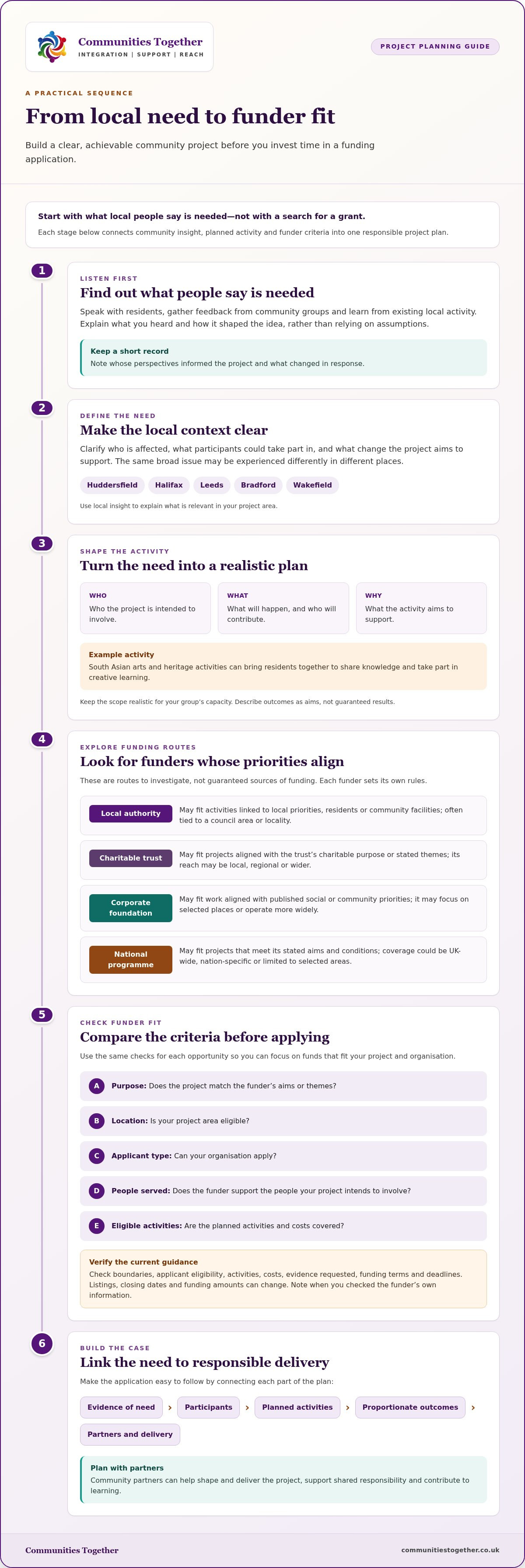
Grant-funded community projects use funding from an external source to support planned activities. They may run for a defined period or continue longer, depending on the funder, the work and the organisation delivering it. There is no single model: a heritage programme, wellbeing activity or learning initiative each needs a plan shaped around its community and purpose.
Before looking for funding, establish what local people say is needed and what your group can responsibly do in response. A concern, such as limited opportunities for people to connect across generations, is a starting point rather than a project plan. Clarify who is affected, what participants could take part in, which activities might respond to the issue and what change the project aims to support. A clearly evidenced community need gives a project its rationale and helps keep its activities relevant.
For a useful introduction to community-led practice, see Community Development Principles.
The following video offers a practical perspective on preparing for a funding application:
What makes a community project clear and achievable?
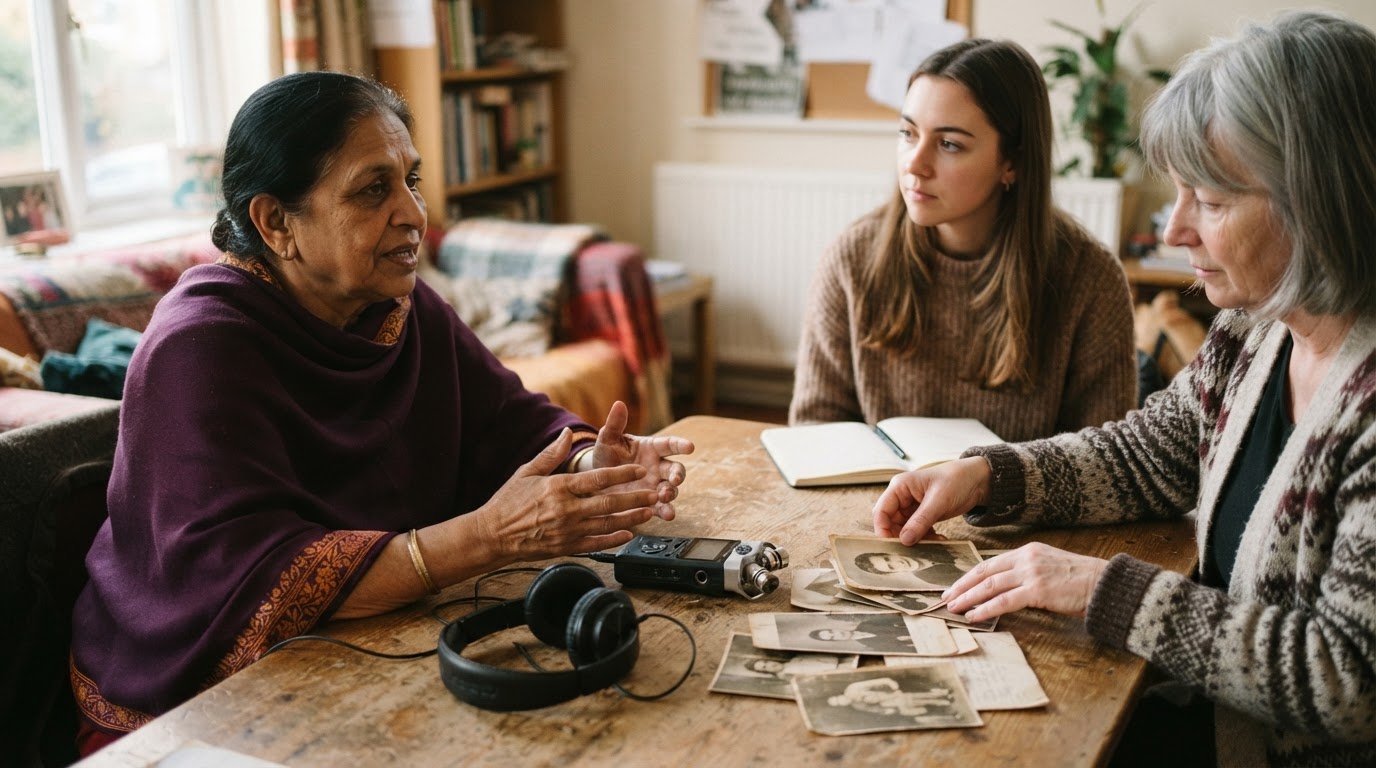
Describe who the project is intended to involve, the issue they have identified and how you have listened to their views. This could include conversations with residents, feedback from community groups or learning from existing local activity. Explain what you heard and how it shaped the idea, rather than relying on assumptions about what people need.
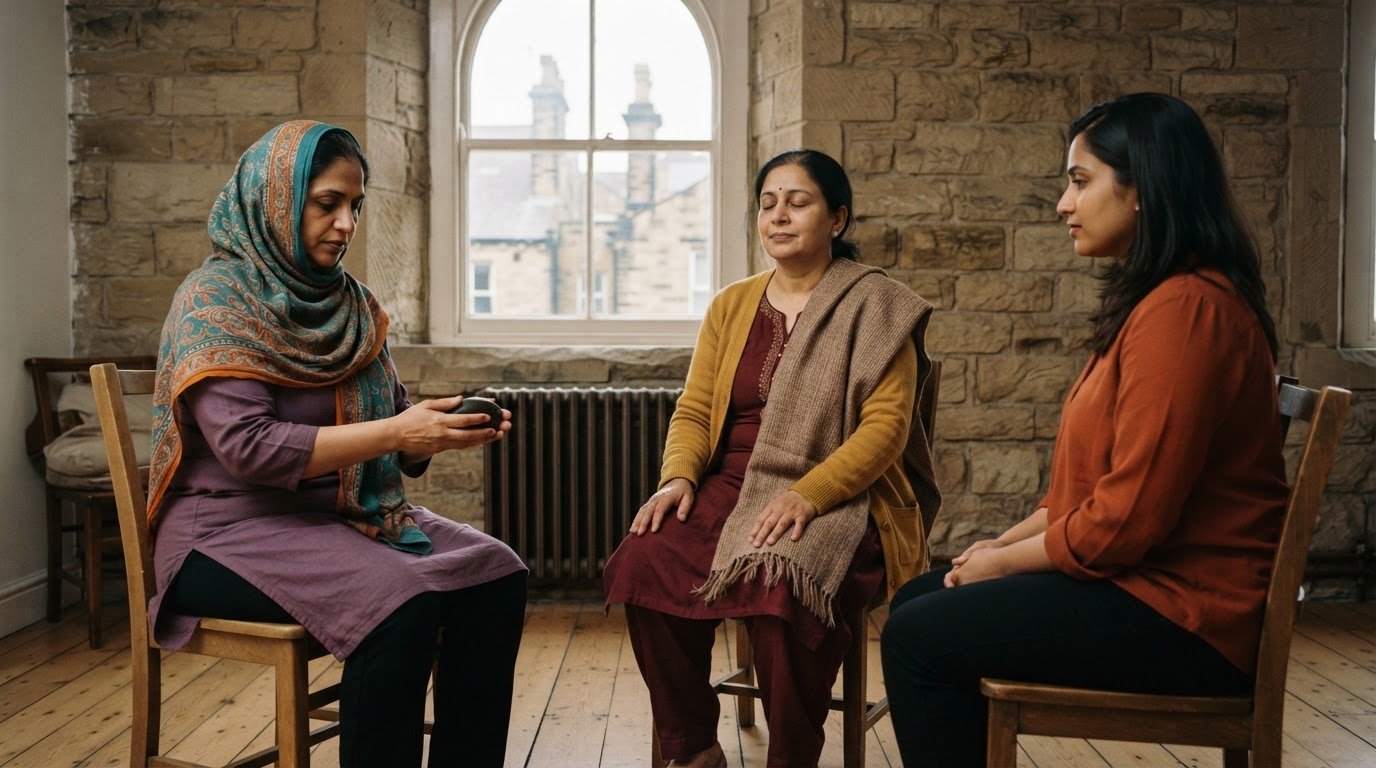
Set out the activities in plain language and keep their scope realistic for your group’s capacity. For example, a project might bring residents together through South Asian arts and heritage activities, giving them opportunities to share knowledge and take part in creative learning. Explain what will happen, who will contribute and what the activity aims to support. Describe outcomes as aims, not guaranteed results, and avoid claims you could not reasonably evidence.
How place shapes a project brief
Local context matters because the same broad issue can be experienced differently in Huddersfield, Halifax, Leeds, Bradford and Wakefield. Existing community networks, cultural interests, available activities and residents’ priorities may all shape what is relevant in a particular place. Use local insight to explain those differences instead of relying on generalisations or unsupported population and deprivation statistics.
Keep a short record of how the project idea emerged, whose perspectives informed it and what changed in response. This helps your group maintain a clear link between local need and planned activity as the idea develops. For further guidance on listening inclusively and shaping engagement around community priorities, explore the strategic community engagement guide.
Which UK community funding routes might fit your project?
Once your project has a clear purpose, consider which kinds of funder are most likely to share its priorities. Local authorities, charitable trusts, corporate foundations and national programmes all set their own rules about who can apply, what costs or activities they will support and where a project must take place. Treat these as routes to investigate, not guaranteed sources of funding.
A programme described as national may still have geographical limits or support only particular areas or application rounds. Before investing time in an application, read the funder’s current guidance and make sure its criteria fit your organisation and project.
Where can groups look for relevant funding?
Start with your local council’s funding information and relevant community networks in the project area. These can help you find locally focused opportunities. Then search funder websites and funding directories for trusts, foundations and national programmes that appear aligned with your work. Use directories as a starting point, then follow their links to the original funder guidance, where eligibility and terms are set out.
Grant listings, closing dates and funding amounts can change. Check the funder’s own information before building a budget or committing to a timetable, and note when you checked it so your planning reflects the current opportunity.
How to compare funding routes without chasing every grant
Compare each funder’s aims, the people it intends to support, its geographical reach and the activities it will consider. Include your organisation’s eligibility and any conditions that could affect delivery. This helps distinguish a genuine match from an opportunity that only appears suitable because it mentions community work.
For grant funded community projects UK groups are considering, alignment should work in both directions: the project should meet a genuine community priority, and the funder’s purpose should support the work your group is prepared to deliver. Avoid changing the project’s focus solely to fit a grant. Communities Together delivers community engagement programmes and capacity-building work that can help groups shape activity with communities and local partners. Find out more about Communities Together’s community engagement work.
How to assess eligibility and funder fit before applying
A project’s social value matters, but it doesn’t automatically make an organisation eligible or secure an award. Funders set distinct requirements for applicants, activities and locations. Terms such as “charity”, “non-profit” and “community group” may also be defined differently across programmes. Don’t assume that a description accepted by one funder, or criteria used by another, will apply to your application.
Use the funder’s current published criteria, not assumptions or another funder’s rules. A simple fit-check can help your group spot gaps early, avoid preparing an application outside the fund’s scope and focus on opportunities that genuinely align.
A practical eligibility fit-check
Work through the funder’s guidance and record how your proposed project matches each requirement. Keep the check specific to the organisation applying, the activity planned and the people and place involved. A short matrix could include:
Purpose: Which stated aim or priority does the project address, and how does the activity contribute to it?
People served: Are the intended participants within the group or community described by the funder?
Location: Does the programme cover the project’s area, and are there boundaries or local restrictions?
Applicant type: Can your organisation apply directly, or does the funder specify a particular type of lead applicant?
Eligible activity: Does the fund support the proposed work, and are any planned activities or costs excluded?
Then note any evidence requests, required partners and points that need clarification in the funder’s guidance. If a criterion is unclear, record the uncertainty rather than treating it as a match. A brief rationale for each point will help colleagues and partners understand why the opportunity is or isn’t suitable.
When a partnership can strengthen the project
A partner may contribute local knowledge, delivery capacity or relationships that help the project engage its intended participants. The value lies in a clear contribution, not simply in adding another organisation’s name to an application. Agree who will lead, what each partner will do, how decisions will be made and how responsibilities will be shared before describing the arrangement to a funder.
Partnerships can also strengthen local infrastructure beyond a single bid when they build shared skills, relationships and capacity. The community capacity building guide explores this wider context. For grant funded community projects UK applicants, a careful fit-check and clearly agreed partnership provide a grounded basis for deciding whether and how to apply.
How to prepare a credible application for community project funding
A clear application connects the project’s purpose to the way it will be delivered. Build the case in sequence: explain the need, identify who will take part, describe the activities, set out intended outcomes, confirm partners’ roles and show how the work will be managed. This helps the funder see how each part fits together without promising more than your group can deliver.
Build the case for need and planned change
Use relevant community insight, consultation findings or existing evidence where available, and explain how it informed the proposal. Then show the connection between the activity and the intended change. For example, if residents identify a lack of opportunities to share cultural knowledge, a programme of heritage activities might create opportunities for participation and intergenerational learning. Present these as aims, not guaranteed effects, and avoid unsupported statistics or claims of impact.
Describe outcomes in observable, proportionate terms. Rather than promising broad change the project cannot demonstrate, explain what you hope participants will experience or be able to do, and what evidence could show progress. Choose an approach suited to the activity and the funder’s questions, rather than inventing numerical targets to make the proposal sound more persuasive.
Show how the project will be delivered and reviewed
Make delivery practical. Explain who will organise activities, how participants will be involved, what partners have agreed to contribute and how the group will respond if plans need to change. A realistic account of capacity and risks gives the funder a clearer view of how the work can be managed. Set out how you’ll gather feedback and review progress, using suitable evidence such as participant reflections, activity records or partner learning.
Before writing, read the funder’s application questions and current guidance, then prepare the material it requests. Requirements differ, so use this as a prompt to check, not a universal document list:
Information about the applicant organisation and its governance, if requested.
A project description, delivery plan and explanation of the need.
A budget and details of proposed costs, in the format the funder specifies.
Evidence of community involvement, partner contributions or support, where required.
Information about intended outcomes, evaluation, risks or safeguarding, if requested by that funder.
For grant funded community projects UK applications, make sure the final proposal answers every question directly and uses consistent details throughout. Check that the activities, budget, delivery responsibilities and outcomes all describe the same project, and that you can support and explain each claim. A careful review by a partner or colleague can help identify gaps before submission while keeping the application grounded in what the group and community can realistically undertake.
From funding plan to community delivery: build capacity with local partners
A funding decision is only one part of delivering a community project. The work also depends on relationships with participants, clear responsibilities between organisations and a shared way to learn as activities unfold. Planning for these elements early can help a group move from an approved proposal to delivery that stays connected to local priorities.
Communities Together delivers community engagement programmes, wellbeing and resilience workshops, South Asian arts and heritage activities, and learning and skills opportunities. Its partnership and community capacity-building work supports groups to plan and collaborate. For grant funded community projects UK groups are preparing, this approach can help keep development and delivery connected to community involvement.
How inclusive engagement supports project delivery
Listening to a range of community members can help organisers understand what makes activities accessible, relevant and welcoming. This might involve gathering views through existing community relationships, inviting participants to shape activities and making space for different cultural experiences. Engagement is most useful when it influences practical decisions, rather than being treated as a one-off consultation before delivery begins.
Cultural participation and shared involvement can create opportunities for people to connect around interests, knowledge and local heritage. A project shaped with participants may also encourage a stronger sense of shared ownership, because people can see how their perspectives informed the work. These are potential contributions, not guaranteed results: describe outcomes as aims and use evidence from the specific project before making claims about impact.
What collaborative capacity building can contribute
Local partnerships can bring community groups together with relevant institutions, such as local authorities, health organisations, educational institutions and charities. Each partner may contribute a different perspective, relationship or practical capacity. Agreeing how those contributions fit together can support continuity, avoid duplicated effort and clarify who is responsible for decisions, communication and learning during delivery.
Capacity building is not limited to adding people to a project team. It can include strengthening relationships, sharing knowledge and supporting organisations to take part in planning and delivery. Communities Together’s work in engagement, wellbeing, arts, heritage, learning and skills supports collaborative activity that reflects community and cultural priorities in Huddersfield, Halifax, Leeds, Bradford and Wakefield.
As the project progresses, partners can review what participants are saying, what is working as intended and where the approach needs adjustment. Recording decisions and learning helps the group stay accountable to its purpose and can inform future community work, whether or not further funding is available. Explore Communities Together’s community engagement and partnership work to learn more about its inclusive participation and collaboration programmes.
Take the next step towards community-led delivery
Bring the people who understand the local need into the planning process, so the project’s direction and delivery reflect their perspectives. This helps keep grant funded community projects UK rooted in shared priorities, with partnerships that support meaningful participation and ongoing learning.
Communities Together is a registered non-profit in England, established in 2007. Its work in community engagement, cultural participation and partnership capacity building supports groups to develop inclusive approaches and stronger local connections. Funding may create an opportunity to put a project plan into practice, while relationships with communities and partners can help shape how that work develops.
Consider who should help shape your next step and what would make their involvement welcoming and useful. With a clear purpose and a collaborative approach, your group can move forward with care and confidence.
Frequently Asked Questions
How do I find grants for a community project in the UK?
Begin with local council information and relevant funder directories, then open the original funder’s current guidance. Compare its priorities and rules with your project’s purpose, location, participants and applicant type. For grant funded community projects UK groups are developing, a directory can help identify possibilities, but it cannot confirm eligibility. A Halifax group, for example, should check the funder’s geographical rules and application window. Terms can change, so revisit the guidance before applying.
Can an unregistered community group apply for project funding?
That depends on the individual funder’s applicant rules. Some opportunities may allow a group to apply through a specified accountable organisation or partnership, while others may accept only particular legal structures. Before taking this route, check the funder’s current guidance and agree who would hold responsibility for the application and any resulting grant. Don’t assume another group’s arrangement will be accepted; check the terms for the specific opportunity.
What should a community project funding application include?
Explain the need, intended participants, planned activities, expected outcomes, delivery roles and evidence supporting the proposal. A funder might ask how residents helped shape an activity or how progress will be reviewed. Requirements differ, so follow the current application questions rather than relying on a generic template. Keep each claim supportable and show how the proposed work responds to the need you’ve identified.
How much funding can a community project receive?
There’s no single funding amount for all UK community projects. Limits depend on the funder, programme and current round, so check the original funder’s published terms rather than using an old directory entry or another organisation’s award as a guide. Shape the project budget around the work you can reasonably deliver, and make sure every planned cost fits the fund’s rules. Leave unverified amounts out of budgets and planning documents.
Are community grants available across every part of the UK?
No, availability can depend on a funder’s geographical remit, and guidance may differ between the UK’s nations and local areas. The GOV.UK guidance referenced here directs readers to local councils and covers England and Wales, so it isn’t a complete guide to funding in every nation. A group in Wakefield, for instance, should consider relevant local sources alongside national programmes and check each fund’s area rules before applying.
What happens if a community project is not eligible for a grant?
First, identify the exact criterion that doesn’t fit, such as applicant type, location or an excluded activity. Then consider whether another funding route is relevant or whether a change in project scope would still serve the community’s priorities. While exploring options, you can clarify delivery responsibilities, strengthen evidence of need and develop partnerships. These steps may improve your planning, but they don’t guarantee that another fund will accept an application or make an award.
Do community projects need partners to apply for funding?
Not always. Partnership requirements vary by funder and project. A partner could contribute local knowledge, trusted relationships or practical delivery capacity, but their role should be clear and agreed in advance. Check whether the funder requires a partnership, who must lead the application and what evidence of collaboration it requests. Explain how each organisation’s contribution supports the project, rather than adding a partner because you assume every application needs one.

Comments