
Confidence Building Workshops in Bradford for Practical Skills
Confidence is not a fixed trait; it can be strengthened through practice. Confidence building workshops in Bradford can include a one-day training course, with activities focused on self-belief, assertiveness and practical ways to communicate more confidently.
It’s understandable to want confidence to feel natural before speaking up, meeting new people or trying an unfamiliar task. Practising in a supportive setting can make these situations more manageable. This article explains who confidence workshops may suit, the skills they can help develop and what to consider when choosing a format. It also explores how small, consistent actions can help you use those skills in everyday life.
Table of Contents
Confidence, assertiveness and self-esteem course
Bradford courses range from focused training to programmes spread over several weeks. Compare the format, practice activities and stated learning aims to find an option that fits your goals.
Course benefits and objectives
A confidence course can give you a chance to practise expressing your views, responding to challenges and recognising your strengths. Useful aims might include speaking clearly, setting boundaries respectfully and joining unfamiliar situations. These skills are most relevant when they connect with real-life needs, such as contributing at work, joining a group discussion or asking for support.
Course content varies, so look for clear learning aims rather than broad promises. A practical programme might include identifying self-doubt, practising assertive language and reflecting on progress. Use these as comparison points, not as a description of every Bradford course. Consider whether activities allow time to rehearse skills, receive feedback and plan how to use them afterwards.
Course schedule and duration
A confidence-building course in Bradford is one day. The Bradford LifeSkills course runs for six weeks, with one session per week. Each session lasts two hours and is scheduled for Thursdays from 12.30 to 2.30pm. The different formats allow participants to consider whether concentrated training or a longer learning programme suits their circumstances.
Allow time to consider travel, work and caring responsibilities alongside the schedule. A weekly session creates space to practise between meetings, whilst a one-day course concentrates learning into a shorter period. Course information was correct as of 19/09/2024, so treat the listed timetable as a dated schedule rather than a permanent calendar.
Participants who complete the Bradford LifeSkills course receive a certificate. Before enrolling, consider whether you value a completion record, practical exercises or chances to practise with others. A certificate records completion, but doesn’t by itself explain what skills the course covers or how you used them afterwards.
When comparing reviews and outcomes, look for specific examples of skills gained, activities and participant experiences rather than relying on general praise. Check whether feedback describes outcomes that match your aims, such as speaking up or communicating more assertively.
Free or subsidised places depend on the course and its funding arrangements. Enrolment routes also vary, so follow the course’s published registration process and review its schedule and learning aims before committing.
Accessibility can depend on the venue, teaching format and individual needs. Look for information about access arrangements and learning support, and identify what would help you participate, such as step-free access, written materials or breaks.
Building self-belief and a positive mindset
Self-belief develops through taking action, not by waiting for nerves to disappear. Try one manageable step, such as contributing a sentence in a group, then reflect on how it went.
Mindset, self-belief and resilience
A positive mindset doesn’t mean ignoring difficulties; it means noticing what you can influence. After a challenging conversation, write down what you handled well and one thing to try differently next time. This links effort with learning, rather than treating one uncomfortable moment as proof you can’t succeed. Look for course activities that include reflection and practical follow-through.
Managing nerves and shyness
If a social situation feels daunting, break participation into smaller actions. You could prepare one point before a meeting, greet someone, then contribute when an opening comes. Rehearsing these steps in a supportive group can make an unfamiliar interaction easier to approach. Compare courses for opportunities to practise at a manageable pace, rather than pressure to perform confidently straight away.
Working through self-doubt
Self-doubt can remain while you take action. Choose a task you’ve been avoiding, identify its smallest useful first step and practise that step consistently. If speaking in a group feels difficult, for example, begin by asking one prepared question. Repeating manageable actions can help reduce hesitation over time, even when doubt persists.
To make progress visible, keep a brief record after each practice opportunity. Note the situation, what you tried and what happened. You might record whether you shared an idea or asked for clarification. Review your notes regularly and choose a next step that feels challenging but achievable. This turns a broad aim, such as “be more confident”, into an observable behaviour you can practise.
Resilience also means responding constructively when an attempt feels awkward. After a conversation, separate what happened from your interpretation: “I paused before answering” is more precise than “I was useless”. Then identify one adjustment, such as preparing a clear opening line. This supports learning without dismissing the effort it took to participate.
For a community-based focus on wellbeing and resilience, explore wellbeing and resilience workshops as one way to connect personal development with supportive group activity.
Consistency matters more than waiting for doubt to disappear. Repeating a small action can reduce hesitation over time, even while doubt remains. Keep the step manageable and continue practising instead of making confidence a condition for getting started.
Confidence building
Confidence grows when practice turns an intention into action. A useful session gives people a clear chance to try, reflect and try again, rather than treating confidence as a quality someone either has or lacks. For example, a participant might practise introducing themselves before speaking to a new group.
Start with a specific situation that matters to you. It might be sharing an idea in a meeting, asking a question in class or joining a community activity. Identify what makes the moment difficult, then choose one achievable action. A clear purpose makes progress easier to notice than a general aim such as “feel more confident”.
Practical techniques can turn an action into manageable steps. Before a conversation, prepare an opening sentence; during it, focus on listening and making one clear point; afterwards, note what went well. For a presentation, practise the opening aloud, organise your main points and rehearse with a supportive listener. Each step develops a different skill, from preparation to communication.
Group sessions can provide a space to practise with others, taking turns to speak and listen. An exercise might involve introducing a partner, describing a personal strength or giving a brief opinion on a shared topic. You don’t need to perform perfectly. The value is in attempting the task and identifying what to practise next.
Feedback is most useful when it relates to observable actions. Rather than labelling someone “confident” or “not confident”, a facilitator or peer can notice that they spoke clearly, made eye contact or completed their point. The participant can then choose one adjustment, such as slowing down or adding a prepared example. This keeps reflection practical and respectful.
Practice can progress from familiar situations to more challenging ones. Someone who finds group discussion difficult might first speak with one partner, then contribute to a small group, and later share a prepared point with everyone. The next step should stretch existing skills without making participation feel unmanageable. Repeating the sequence connects preparation with action.
After each session, choose one opportunity to use a practised skill in daily life. You might ask a colleague for clarification, introduce yourself at a local activity or share an idea during a discussion. Afterwards, record what you did and learnt. This gives you a concrete starting point for your next practice session.
Practical tools for building confidence
A practical tool turns a broad goal into something you can practise. If speaking in meetings feels difficult, for example, prepare one point beforehand. Then focus on sharing it instead of expecting yourself to feel completely confident. Activities are most useful when they relate to situations you want to handle differently.
Notice what happens before, during and after a challenging moment. Write down the situation, the thought that came up and the action you took. If you stayed quiet in a discussion, note what you wanted to say and what made speaking difficult. This can help you identify a skill to practise, such as asking a question or stating an opinion.
Preparation can make unfamiliar interactions more manageable. Before meeting someone new, choose a simple opening line, such as “How did you hear about this group?” For a presentation, write three key points and practise the first sentence aloud. These steps give you a clear starting point without requiring you to memorise every word.
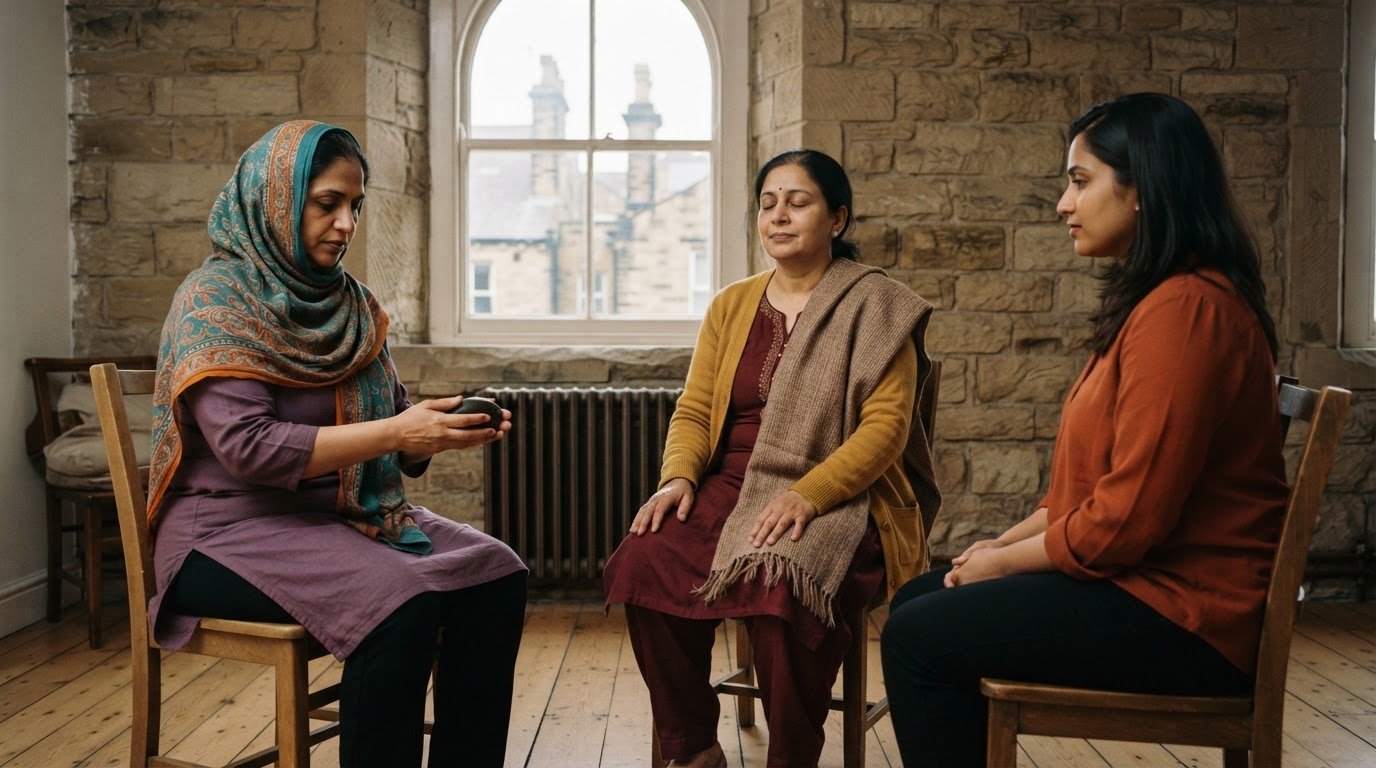
Breathing and grounding techniques can help you bring your attention back to the task. Before speaking, place both feet on the floor and take a slow breath. Then look at a friendly face or a fixed point and deliver your prepared opening. Try this sequence in a low-pressure conversation before using it with a larger group.
Role-play lets you rehearse situations before they happen. Ask a partner to practise a short conversation, such as requesting clarification or disagreeing respectfully. Try it once, then repeat it with a clearer opening or steadier pace. Specific feedback, such as “I could hear your main point”, gives you something practical to build on.
Keep a brief confidence log after each attempt. Record the situation, what you did and one thing you learnt. After asking a question at a community meeting, for instance, note whether preparing it beforehand helped. Review your notes to identify actions you can repeat, rather than judging progress only by how comfortable you felt.
Choose a next step that connects practice with daily life. If you want to introduce yourself, try it with one person at a familiar activity before approaching a larger gathering. If you want to contribute ideas, prepare a short comment for a group discussion. A clear step makes it easier to practise consistently and adjust your approach.
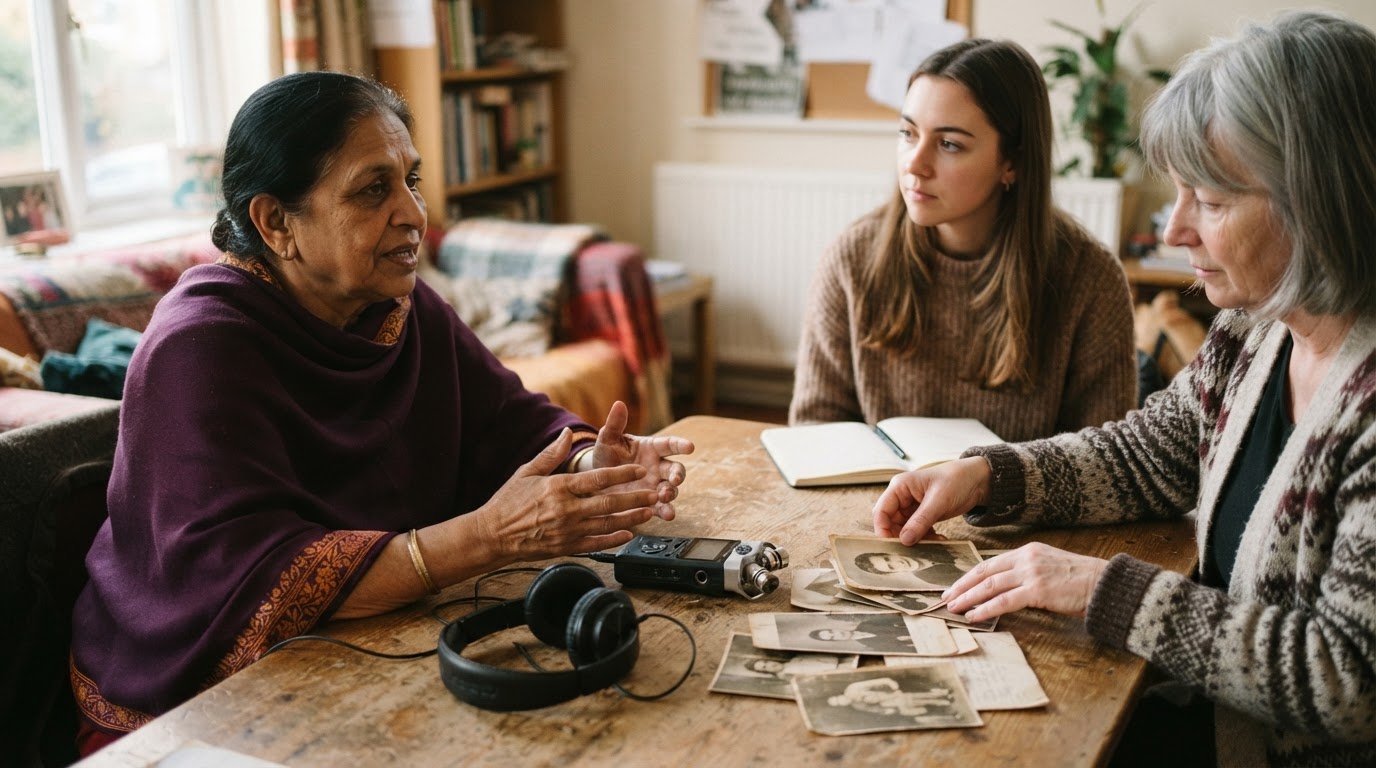
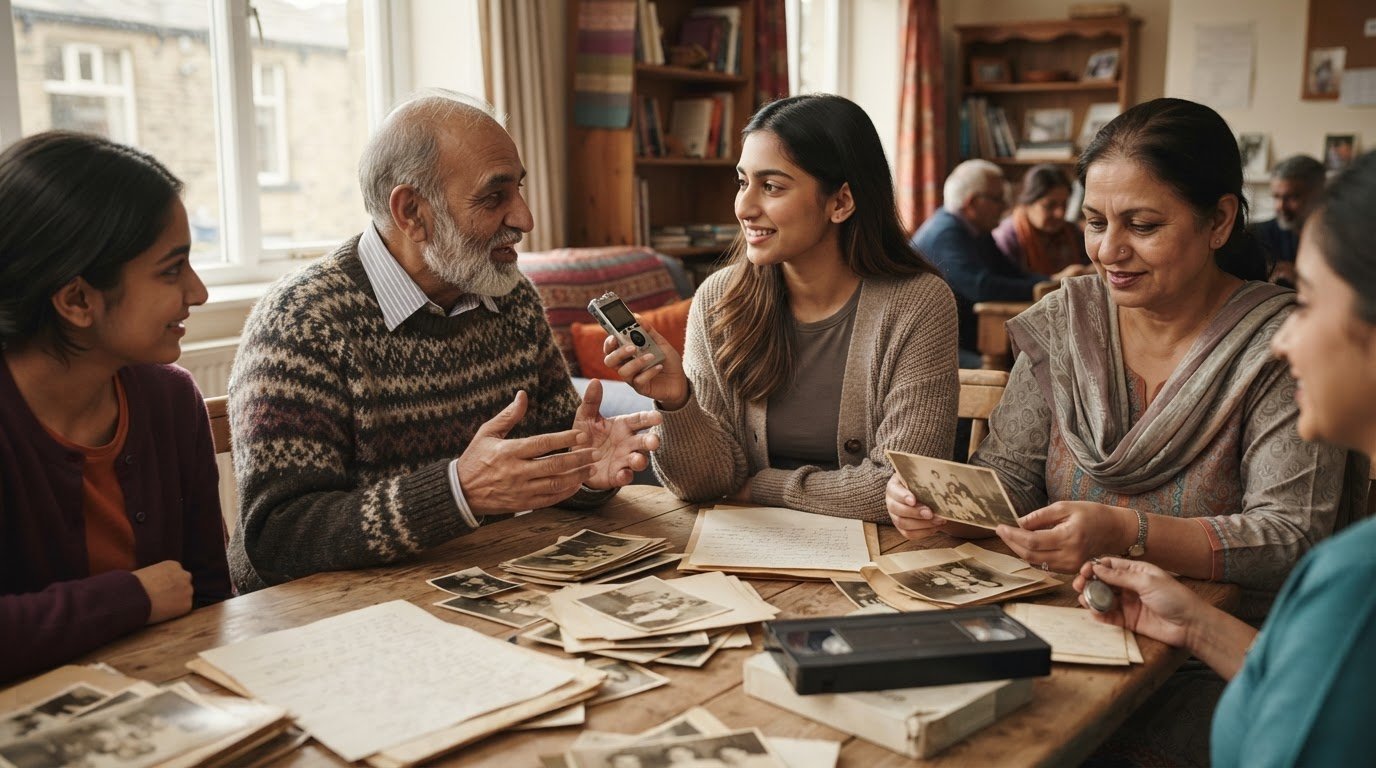
Shared activities in a group or community setting can give participation a helpful structure. A heritage activity, for example, could involve welcoming someone, explaining a task or contributing an idea together. Choose a manageable role, take part, then reflect on what helped. This connects confidence skills with meaningful participation and collaboration.
Which Bradford organisations run confidence-building workshops?
Bradford’s available options include a confidence-building course and a Bradford LifeSkills course. The supplied course details don’t identify their organising organisations, so avoid assuming that similar names describe the same provider. Compare the course itself by its intended participants, activities, schedule and learning outcomes.
A one-day confidence-building course offers a concentrated format, while the Bradford LifeSkills course runs over six weeks. The latter has one two-hour session each week, scheduled for Thursdays from 12.30 to 2.30pm. These are different structures, so consider whether you prefer focused training or regular sessions with time between them.
There is also a listed live online Confidence Building training schedule for Bradford on Nov 2, 2026. That gives you a specific date and delivery format to compare with face-to-face learning. Before choosing, consider whether practising online suits your goals, such as speaking up in virtual meetings or preparing for remote interviews.
Compare organisations using the same questions: What are the course aims? What practical exercises are included? Who is the intended audience, and how will participants practise new skills? A programme focused on assertive communication may suit someone who wants to express views clearly, while a broader confidence course may cover several everyday situations.
Course focus: Does it address your goal, such as speaking in groups or building self-belief?
Format: Is it in person, online, one day or spread across several weeks?
Practice: Are there activities that let you rehearse real situations?
Outcomes: Does the course explain what participants will learn or complete?
Reviews can add useful context when they describe specific experiences. Compare comments on course content, teaching approach and practical value rather than relying only on star ratings or general praise. A certificate is one possible completion record; participants who complete the Bradford LifeSkills course receive one.
For booking, follow the organiser’s published registration process and read the course details before enrolling. Check the date, session times, location or online format, and any participation requirements. If you’re choosing for a group, consider whether the programme suits its shared learning aims and practical needs.
For a listed online session, the date is Nov 2, 2026. Use the organiser’s current course information to make your booking decision, and compare its format with the in-person options available in Bradford.
Follow the organiser’s published registration process and read the course details before enrolling. Check the schedule, delivery format and any participation requirements.
Communities Together: Community Engagement Programmes
Communities Together supports confidence through shared community activity and personal development. Its Community Engagement Programmes create opportunities to participate, contribute ideas and build connections, while Wellbeing and Resilience Workshops focus on strengthening personal resources. These options may suit you if you want to practise confidence in a community setting rather than attend training focused solely on individual skills.
South Asian Arts and Heritage Activities offer meaningful ways to participate, learn and share skills with others. Heritage and Cultural Preservation projects provide another community-focused route for groups interested in sustaining cultural knowledge and collective involvement. Each offers a different context for participation and connection.
To explore how Communities Together’s programmes could support your community, visit the Communities Together website.
Take your next step towards confidence
Confidence can grow through meaningful participation, especially when you can contribute in ways that matter to your life. Confidence-building workshops in Bradford are one route; community activities can also help you practise taking part, sharing ideas and building connections.
Communities Together offers Community Engagement Programmes, South Asian Arts and Heritage Activities, and Wellbeing and Resilience Workshops. These create community-based opportunities to participate, develop skills and explore wellbeing alongside others. They may be a helpful next step if you’re looking for personal development through shared activity.
Consider what you’d like to practise next, whether joining a group conversation, contributing to an activity or feeling more at ease in a community setting. A clear, manageable intention can help you choose a useful way forward.
Every small step counts. Build on it at your own pace.
Frequently Asked Questions
Who’s It For?
Confidence-building workshops can suit people who want to participate more comfortably, express their views or try unfamiliar situations. Start by identifying where confidence would help most, such as contributing at work, joining a local group or speaking with new people. Look for a course whose activities reflect those everyday aims and provide practical opportunities to practise.
What confidence-building workshops are available in Bradford, UK?
Bradford options include a one-day confidence-building course and a LifeSkills course delivered over six weeks. A live online Confidence Building training session is also listed for Bradford. The formats range from focused training to a programme with sessions over time. Compare the course focus and learning activities with your goals, such as speaking up or developing assertive communication.
What age groups and audiences are Bradford confidence workshops for?
Communities Together’s activities are for the general public and diverse community members of all ages, with local work across Bradford, Huddersfield, Halifax, Leeds and Wakefield. Individual courses may have distinct intended participants, so consider the stated audience alongside the learning activities. A young person seeking confidence in group participation, for example, may have different priorities from an adult practising workplace communication.
When and where are confidence-building workshops held in Bradford?
Bradford course formats include in-person training and a listed live online session. The LifeSkills course is scheduled for Thursdays from 12.30 to 2.30pm, with one session each week. In-house confidence training can take place at a workplace, or off-site at a more convenient venue. Consider travel, access needs and whether online participation suits the situations you want to practise.
What topics and activities do Bradford confidence-building workshops cover?
Topics can include self-belief, assertiveness, self-esteem and practical communication skills. Activities might involve practising how to share an opinion, introduce yourself or contribute to a group conversation. Community-based learning can also connect confidence with creative participation: South Asian arts and heritage activities include music, dance, visual arts, crafts, storytelling and performances. Consider which activities would help you participate more fully.
Are Bradford confidence workshops accessible for people with disabilities or additional needs?
Accessibility depends on the venue, teaching format and individual needs. Look for information about access arrangements and learning support, such as step-free access, written materials or breaks.
Comments