
Community Centre Activities in Huddersfield: A Guide to Local Participation
What makes a community activity worth returning to? Often, it is a clear purpose and a meaningful way to take part. Choosing between community engagement programmes Huddersfield offers can feel difficult when a group’s interests, access needs and hopes for lasting connection aren’t yet clear. Start by asking what people want to do together, then choose a format that makes participation welcoming and purposeful.
Arts and heritage activities can create space to share cultural knowledge and explore local identity. Wellbeing workshops, learning opportunities and skills development support different aims. These activities can complement one another, helping people build relationships as they take part, learn and contribute.
This guide compares activity formats, considers what each can support and explains how partnership and community capacity building can help local groups shape shared activity. You’ll find practical ways to choose a starting point, whether your priority is cultural participation, personal development, wellbeing or stronger connections. Communities Together supports these forms of local involvement through community engagement, South Asian arts and heritage, non-clinical wellbeing and learning programmes.
Table of Contents
What community centre activities in Huddersfield can help people connect?
Five community activity formats in Huddersfield and what they offer
How to compare community activities by purpose and participation
Plan a useful community activity in Huddersfield: a practical pathway
How Communities Together supports community engagement in Huddersfield
What community centre activities in Huddersfield can help people connect?
Community activities give people opportunities to participate, learn, create and connect around shared interests or local priorities. In Huddersfield, community engagement programmes can bring residents and groups together to explore cultural expression, develop practical skills, learn as a group or strengthen a sense of belonging. The right activity depends on what people want to contribute and experience; no single format suits everyone.
Activities might involve creative practice, discussion, shared learning or planning something together. Consider how people will participate, not just what the activity is called. Some may feel comfortable making or talking, while others may prefer developing an idea with a group. For a broader foundation, this overview of understanding community engagement outlines the concept and its different forms.
A local example of residents’ voices informing activity is shown in this film:
Who can take part in local community activities?
Residents can join as participants, bring forward ideas or share knowledge from their own experience. Community groups, schools and local partners can also help shape or support shared activity, bringing people together around a common interest or aim. Inclusive engagement makes room for different backgrounds and perspectives, while recognising that access needs, interests and preferred ways of participating vary.
Start by identifying who the activity is for and what they hope to gain. A group interested in cultural expression may need a different approach from one focused on shared learning or practical development. Previous experience needn’t determine someone’s contribution. Instead, shape the format around people’s interests, confidence and aims.
What makes an activity more than a one-off event?
A one-off gathering can introduce an idea or offer a first point of contact. Ongoing opportunities give people scope to return, develop skills, contribute over time and learn with others. That doesn’t mean every activity needs to be lengthy or formal. Continuity can come from a clear shared purpose and meaningful ways for participants to stay involved.
Taking part more than once can make room for dialogue as people exchange perspectives, work on shared interests and become more familiar with one another. It creates opportunities for connection, rather than guaranteeing a particular social outcome. A useful definition is: sustained participation creates opportunities to build stronger local relationships through shared activity, learning and dialogue.
This guide compares programme formats and the kinds of participation they support, rather than listing venues or one-off events. Focus on the activity’s purpose, how people can contribute and whether the format fits the group’s needs. That makes it easier to identify a practical starting point and keep local voices at the centre of planning.
Five community activity formats in Huddersfield and what they offer
Different community activities support different aims, so look beyond the activity itself to how people can participate. Community engagement programmes Huddersfield may centre on shared discussion, creative expression, wellbeing, learning or developing local groups. Formats can also complement one another: a group might begin with a shared interest and build towards wider participation.
Community engagement: Gives residents and groups ways to share perspectives, explore local priorities and contribute to collective activity. Participation might include discussion, consultation or collaborative planning.
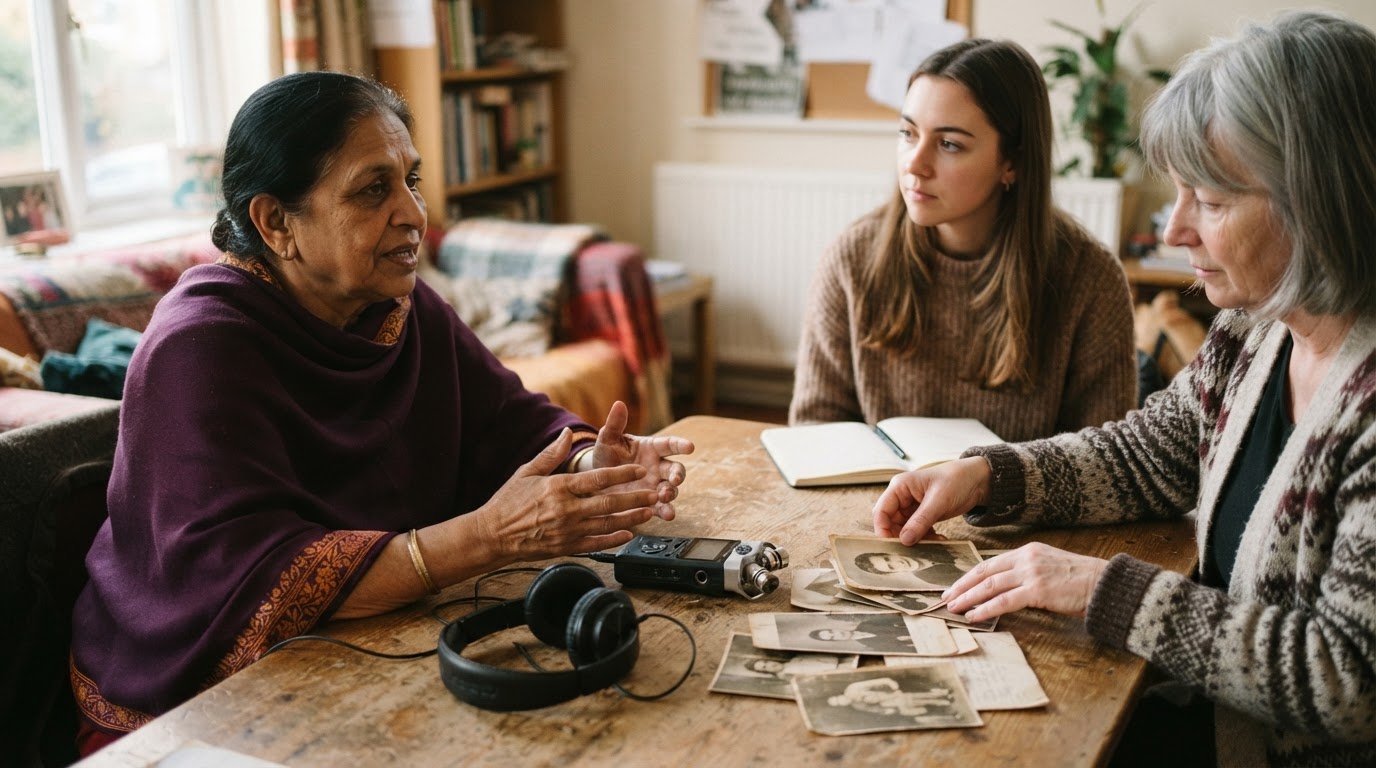
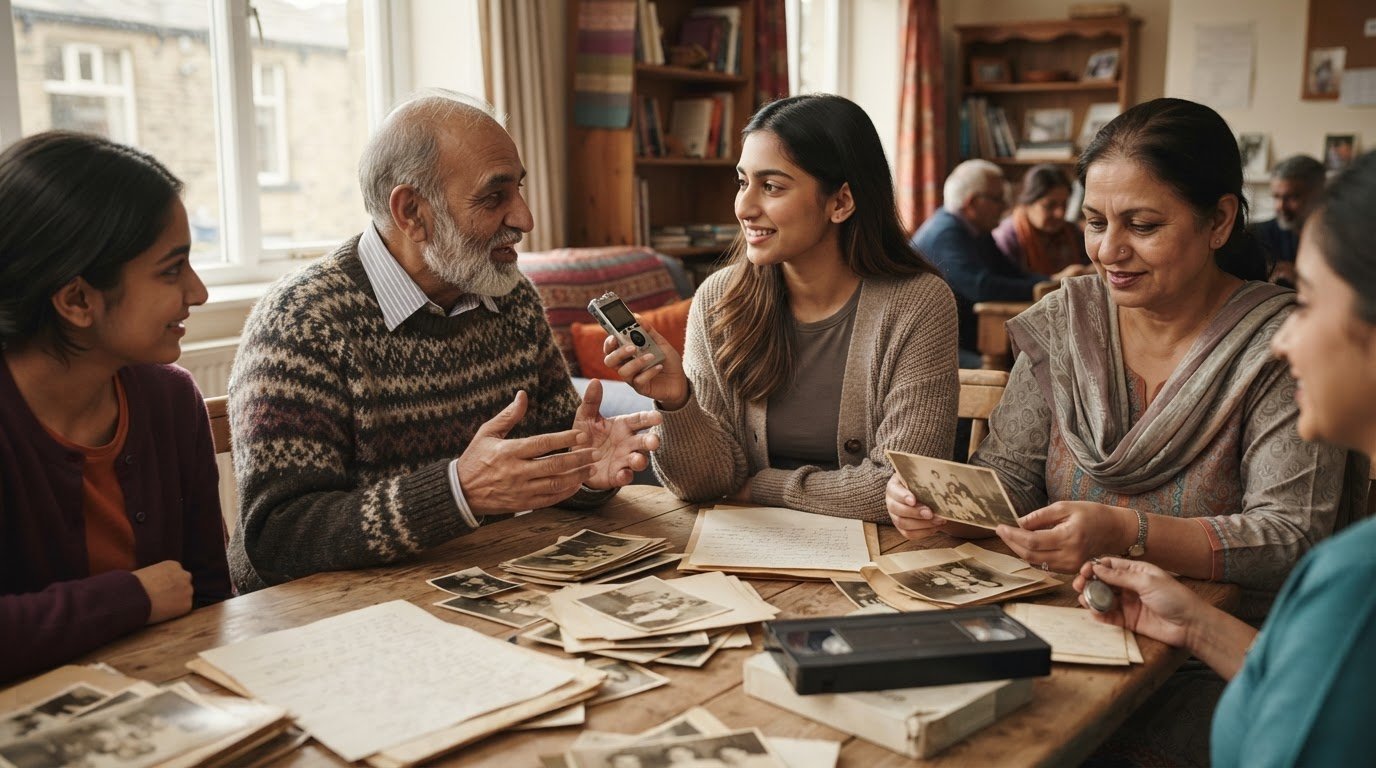
South Asian arts and heritage: Supports cultural expression and the sharing or preservation of heritage. People can explore creative practices, exchange knowledge or contribute their own perspectives.
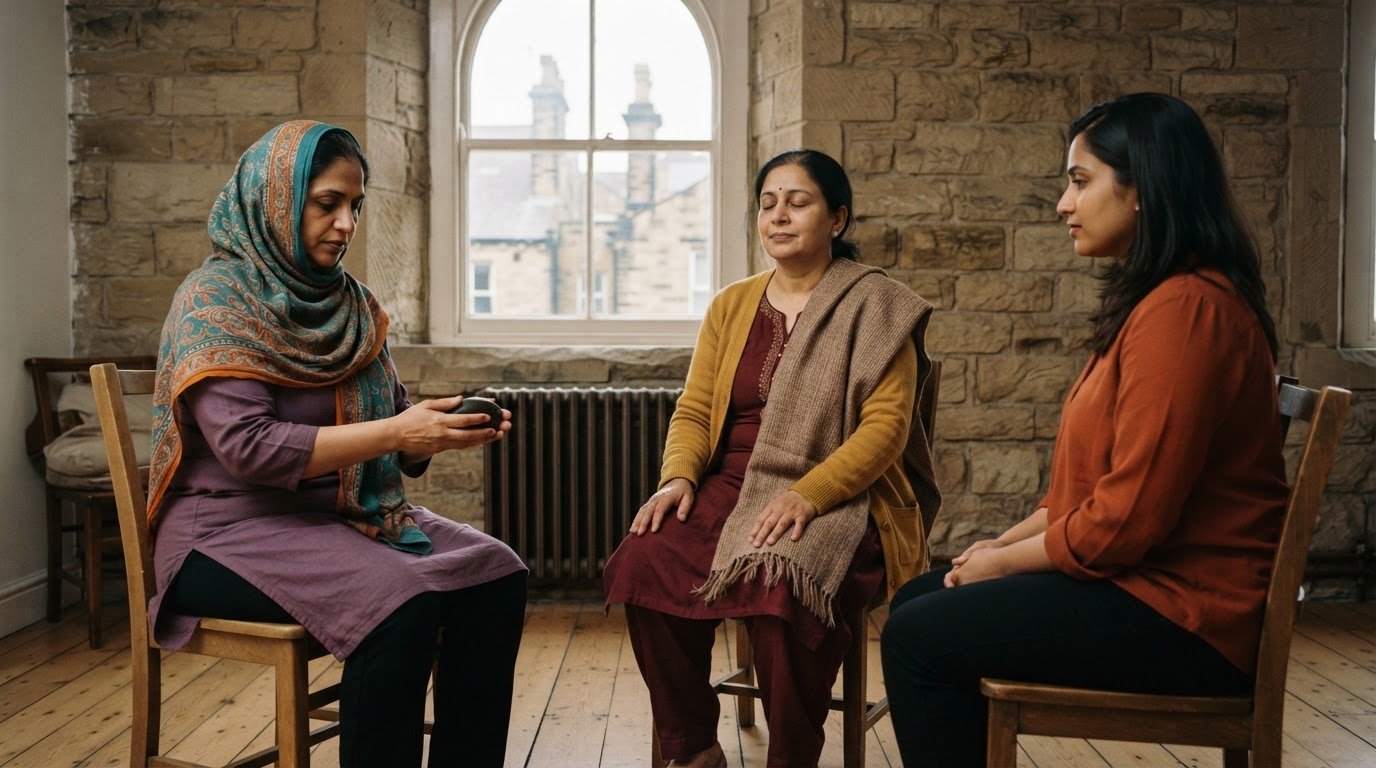
Wellbeing and resilience: Offers a non-clinical setting for reflection, shared learning and personal development. Workshop activities can focus on exploring wellbeing and resilience alongside others.
Learning, skills and personal development: Focuses on developing knowledge or practical abilities. Participants can learn together, practise a skill or consider how new knowledge relates to their goals.
Partnership and community capacity building: Helps local groups strengthen their ability to contribute to shared activity. This can include working with partners, developing ideas and building the confidence or connections needed to take part.
Arts and heritage activities for cultural participation
South Asian arts and heritage activities give people ways to express culture, explore heritage and share knowledge across generations. For example, participants might discuss how cultural practices are remembered, learned or carried forward, with different generations contributing their experiences. This format can suit a group that wants cultural participation and preservation to be part of its shared purpose.
Wellbeing, skills, and community-building activities
Wellbeing and resilience workshops provide non-clinical opportunities for reflection and learning; they aren’t a substitute for clinical treatment. Skills activities focus on what individuals want to learn or develop, while capacity building supports groups to participate, collaborate and shape shared work. To choose between them, clarify whether the priority is personal learning, collective contribution or both.
Cultural participation sustains shared expression and heritage, personal development builds individual knowledge or skills, and community capacity building strengthens a group’s ability to contribute. Keeping these aims distinct helps organisers choose a format without expecting one activity to meet every need. They can also be combined when local participants and partners identify a shared purpose.
Communities Together brings engagement, South Asian arts and heritage, wellbeing, learning and capacity building into its local work. If you’re considering how these formats could support your group’s aims, explore Communities Together’s community programmes as a starting point for planning local participation.
How to compare community activities by purpose and participation
Start a comparison with the change in participation your group wants to support, rather than ranking activities. Some formats centre on cultural expression, others on personal learning or collective organisation. The table below compares community engagement programmes Huddersfield by purpose, potential participants and ways to get involved. Use it as a guide, then match the format to your group’s interests and aims.
Which format suits cultural expression, wellbeing, or learning?
For a group focused on cultural expression or preserving shared knowledge, arts and heritage activities offer a direct route into participation. A focus on resilience or personal development may suit non-clinical wellbeing workshops, while learning and skills opportunities fit aims around gaining knowledge or practising a practical ability. Consider what people want to explore, rather than relying on the activity label alone.
Aims can overlap. A heritage activity can include learning, and a skills-focused programme can create space for people to share knowledge. Identify the group’s central purpose: expressing and preserving culture, developing personal capabilities or learning about a subject together. A clear priority helps organisers choose an approach participants can recognise as relevant.
When should a group consider partnership and capacity building?
Capacity building can suit a group that wants to strengthen how it contributes, collaborates or takes part in shared activity. Partnership connects local priorities with programme planning, giving community members a role in shaping the work rather than only attending. Groups can include community capacity-building work in their planning.
There’s no universal best format. Compare what people want to take away with how they would like to participate, then decide whether one activity or a combination better reflects those aims. A clear fit gives organisers a practical basis for planning and helps participants understand how their interests and contributions belong in the shared activity.
Plan a useful community activity in Huddersfield: a practical pathway
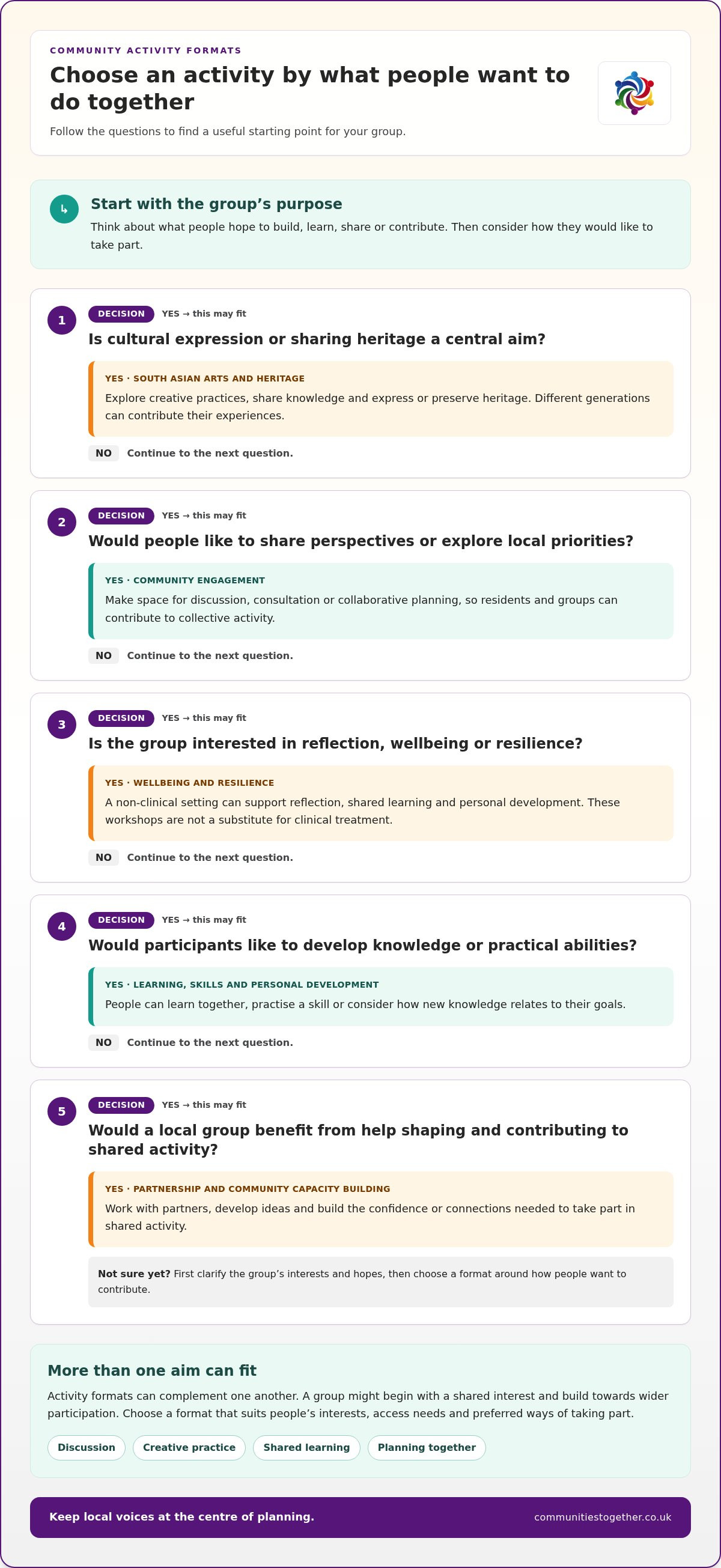
A clear plan can turn an interest into an activity people feel able to shape and join. When planning community engagement programmes Huddersfield groups can begin with local priorities, then choose a format and ways to participate that reflect what people say they need. Keep the process straightforward, but leave room for local voices to influence decisions.
Identify the community aim. Be specific about what the activity should support. Is the priority cultural participation, shared learning, wellbeing, skills development or helping a local group work more collaboratively? A focused aim helps you decide what belongs in the programme and what doesn’t.
Understand people’s interests. Listen to potential participants before settling on a format. Ask what they’re curious about, what knowledge they could contribute and what would help them feel welcome. Residents may have different views, so make space for more than one perspective instead of assuming everyone wants the same thing.
Select a suitable format. Link the aim to an approach, such as a heritage activity, a non-clinical wellbeing workshop, learning and skills development, or partnership-based group development. Consider whether participants want to discuss, create, learn, develop an idea or help shape the activity itself.
Plan how people will participate. Set out the roles people can take, how their contributions will inform the activity and how the group will communicate. Include accessibility and cultural relevance in the planning. Consider whether the format and language feel appropriate to the people involved, rather than assuming one approach works for everyone.
Start with community priorities and participation
Clarify who the activity is for and what participants hope to gain, but treat these as starting points for listening, not decisions already made. A conversation with residents or group members can uncover interests organisers might otherwise overlook. Ask what people would like to explore and how they’d prefer to contribute, then reflect their ideas in the programme’s purpose and format.
Participation can mean more than attending. People might bring knowledge, develop an idea, contribute to a creative process or work with partners to shape a shared activity. Explain these roles from the outset so people can see where their input fits and organisers have a practical way to keep the programme community-led.
Shape a practical, inclusive programme
Once the aim and preferred ways of taking part are clearer, decide what people need in order to participate meaningfully. Consider how the activity can welcome different experiences and cultural perspectives, and whether partners can contribute relevant knowledge or connections. Shared responsibility can support continuity, while a clear purpose helps everyone understand what they’re working towards.
Keep the plan adaptable. Participants’ questions and ideas may help refine the activity or suggest useful next steps. Communities Together’s work in Huddersfield includes engagement, heritage, wellbeing, learning and community capacity building, offering relevant approaches for groups planning shared participation.
How Communities Together supports community engagement in Huddersfield
Communities Together delivers community engagement and capacity-building programmes in Huddersfield, supporting local participation through distinct but connected routes. Its work brings together South Asian arts and heritage activities, non-clinical wellbeing and resilience workshops, and learning and personal development opportunities. Residents and groups can engage through different approaches depending on whether their interest is cultural expression, personal learning or contributing to shared activity.
A connected approach to culture, wellbeing, and learning
South Asian arts and heritage activities support cultural participation and preservation by creating opportunities to share knowledge, explore heritage and express culture. Wellbeing and resilience workshops offer a non-clinical setting for reflection and learning, while skills and personal development activities focus on individual interests and learning aims. These are different forms of participation, and none promises a particular outcome. Their value lies in creating relevant opportunities to take part.
Community engagement and capacity building add a collective dimension. They support collaboration with local groups and give people ways to contribute to shared priorities, connecting cultural, learning and wellbeing interests with wider participation. An inclusive programme makes room for local perspectives and recognises that people bring different experiences and aims.
Communities Together works across Huddersfield, Halifax, Leeds, Bradford and Wakefield, bringing its community engagement and capacity-building work to these locations.
Explore a suitable next step with Communities Together
To decide which route may suit you or your group, start with the interest you want to develop. Heritage activities can suit a focus on cultural knowledge and preservation; wellbeing workshops offer non-clinical opportunities for resilience and personal development; learning and skills activities support aims around knowledge or practical development; and partnership or capacity building can suit groups looking to contribute to shared activity.
Then consider how you’d like to participate: learning, sharing knowledge, developing an idea or collaborating with others. Comparing purpose with participation makes the next step clearer while leaving room for local groups and participants to shape activity together.
Explore Communities Together’s community programmes to learn about community engagement programmes Huddersfield residents and groups can explore, alongside its work in heritage, wellbeing, learning and capacity building.
Take the next step towards local participation
A useful starting point doesn’t need to be a fully formed programme. Bring together a few people who care about the same local issue, make space for different perspectives and agree one area of interest to explore. That first conversation can help clarify who the activity should involve and how people would like to contribute.
For groups considering community engagement programmes Huddersfield, keeping local voices involved as ideas develop can help make participation relevant and shared. The next step could be exploring an existing programme or discussing how a community aim could take shape through collaborative activity.
Every meaningful connection starts somewhere. Take the first step by exploring Communities Together’s programmes and finding an approach that fits your group’s interests.
Frequently Asked Questions
What community activities are available in Huddersfield?
Communities Together’s programme areas include community engagement, South Asian arts and heritage, non-clinical wellbeing and resilience, and learning and personal development. These community engagement programmes Huddersfield residents can explore support different interests, from sharing cultural knowledge to developing practical skills. To choose a starting point, consider what you’d like to gain: new knowledge, a chance to express culture, personal development or an opportunity to contribute alongside others.
Are community engagement programmes only for South Asian communities?
No. South Asian arts and heritage activities are one part of Communities Together’s wider community work. People from different backgrounds can explore activities according to their interests, cultural context and aims. An arts and heritage programme may suit some participants, while others may be drawn to learning, wellbeing or collaborative development. For a mixed group, invite people to share what feels relevant before choosing a format.
Can community activities help people feel less isolated?
They can offer opportunities to meet others through a shared interest or task, which may help people feel more connected, though no activity can guarantee an individual will feel less isolated. Someone who finds open-ended socialising difficult, for example, might prefer a session with a clear shared focus, such as learning or creative participation. People’s experiences differ, so activities are possible routes to connection, not a guaranteed solution.
Are wellbeing workshops the same as mental health treatment?
No. Communities Together’s wellbeing and resilience workshops are non-clinical learning and personal-development opportunities, not clinical mental health treatment. They can provide a community setting for exploring wellbeing and resilience, but they don’t diagnose or treat mental health conditions. A workshop isn’t a substitute for healthcare or clinical support.
Can a local group take part in shaping community activities?
Yes. Partnership and community capacity building are part of Communities Together’s work, making local group input relevant to shared activity. A group can clarify the priorities it wants an activity to reflect, the knowledge it can contribute and the role it hopes to play. These are useful points for organisers and partners to consider as they develop collaborative work.
Do community activities in Huddersfield include arts and heritage?
Yes. South Asian arts and heritage activities are among Communities Together’s programme areas and provide a route into cultural participation and preservation. A group interested in keeping cultural knowledge alive, for instance, could explore an activity that makes room for participants to share perspectives and experiences. Arts and heritage are one strand of community involvement, alongside wellbeing, learning and skills.
Does Communities Together work only in Huddersfield?
No. Communities Together works in Huddersfield, Halifax, Leeds, Bradford and Wakefield. This guide focuses on Huddersfield, while the organisation also works across these other local areas. Consider first the activity’s purpose and how it connects with your interests or your group’s aims.
Comments