
A Comprehensive Overview of South Asian Arts and Culture in the UK: Heritage, Impact, and Community
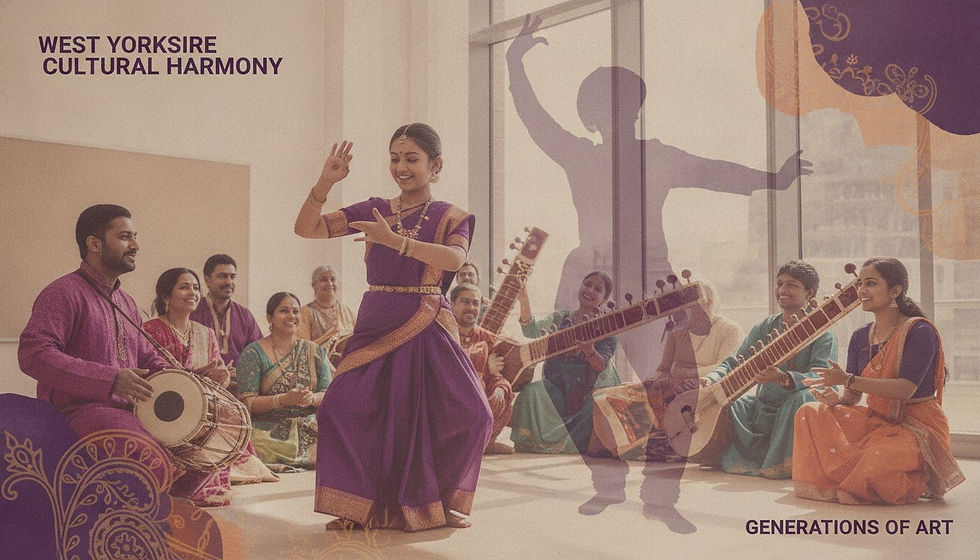
Whilst 89% of adults across England engaged with the arts in the year ending March 2023, participation rates for specific South Asian communities remain disproportionately low, with only 16% of individuals of Pakistani heritage visiting museums or galleries. This disparity suggests that the rich tapestry of South Asian arts and culture UK provides is not always accessible through traditional institutional channels, necessitating a more concerted effort to bridge the gap between ancestral heritage and contemporary community life. You likely recognise that cultural expression is far more than a leisure activity, acting instead as a vital mechanism for preserving identity, fostering social cohesion, and building the collective endurance required to thrive in a modern landscape.
This article provides an in-depth exploration of how South Asian arts and cultural heritage foster social cohesion, individual resilience, and community strength across the United Kingdom. We shall examine the structural importance of diverse artforms, the measurable ways in which cultural participation improves personal wellbeing, and the specific pathways available for those seeking professional cultural engagement programmes within the vibrant landscape of West Yorkshire. By facilitating a deeper understanding of these traditions, we aim to support the development of community capacity, the preservation of heritage, and the continued growth of a resilient social fabric.
Key Takeaways
Gain a comprehensive understanding of the historical evolution and multifaceted nature of South Asian arts and culture UK, recognising how these traditions have been woven into the British social fabric to foster long-term community strength.
Distinguish between the intricate disciplines of classical artforms and the communal energy of folk traditions to better facilitate authentic engagement, artistic appreciation, and cultural continuity.
Recognise heritage preservation as a strategic tool for social cohesion, particularly through community-led projects in West Yorkshire that empower local groups to document, preserve, and celebrate their own narratives.
Explore the measurable benefits of 'cultural anchoring' and non-clinical interventions, which utilise artistic participation to mitigate social isolation, enhance individual wellbeing, and build collective resilience.
Identify practical pathways for accessing professional cultural programmes that offer structured opportunities for learning, skills development, and meaningful partnership building within the public and third sectors.
Table of Contents
Exploring the Diverse Landscape of South Asian Arts and Culture in the UK
Primary Artforms: From Classical Traditions to Contemporary British Expressions
The Vital Importance of Cultural Heritage Preservation in West Yorkshire
Enhancing Community Wellbeing and Resilience Through Cultural Participation
Accessing South Asian Cultural Programmes: Opportunities for Learning and Development
Exploring the Diverse Landscape of South Asian Arts and Culture in the UK
Since the mid-20th century, the presence of the South Asian community in the UK has fundamentally reshaped the national aesthetic, evolving from localised migrant expressions into a foundational pillar of the British creative economy. Establishing cultural visibility is not merely a matter of representation; it's a fundamental prerequisite for facilitating inclusive community engagement, building social capital, and ensuring that public sector initiatives reach every demographic effectively. The scope of South Asian arts and culture UK provides is a multifaceted tapestry of classical disciplines, folk traditions, and contemporary digital innovations that reflect the lived experiences of a diverse diaspora. Identity shifts over time. We must recognise this evolution to support community resilience.
The Breadth of the South Asian Diaspora's Artistic Contributions
The artistic contributions of the diaspora are as varied as the regions of India, Pakistan, Bangladesh, and Sri Lanka from which they originate, each bringing distinct musical, visual, and performative languages to the British Isles. Over recent decades, we've witnessed a profound shift from 'migrant heritage', often viewed through a lens of preservation and nostalgia, to established 'British South Asian' identities that actively redefine modern theatre, literature, and visual arts. This transition has allowed for the development of new creative vocabularies that honour ancestral roots whilst addressing the complexities of contemporary British life. South Asian culture is a dynamic, evolving entity that bridges continental traditions with local UK contexts to create a unique, hybridised identity that resonates across generations.
Cultural Centres and Regional Significance in West Yorkshire
Within the Northern Powerhouse, West Yorkshire stands as a primary geographical hub where South Asian heritage isn't just preserved but actively revitalised through community-led initiatives. Cities such as Bradford, Leeds, and Huddersfield possess a dense concentration of cultural activity; here, the local geography and industrial history directly influence the specific types of cultural preservation projects undertaken by residents and organisations alike. The density of South Asian arts and culture UK initiatives in this region demonstrates the power of local engagement. These regional centres serve as vital facilitators of inter-community dialogue, providing the stable foundation necessary for diverse ethnic groups to:
Document their shared histories to prevent the loss of communal memory.
Exchange traditional skills to ensure the continuity of specialised artforms.
Build collaborative partnerships that strengthen the local social fabric.
By anchoring these activities in specific local contexts, we ensure that cultural participation remains accessible, relevant, and deeply integrated into the daily lives of those it seeks to serve. Visibility matters. It creates a sense of belonging that is essential for long-term social harmony and individual wellbeing.
Primary Artforms: From Classical Traditions to Contemporary British Expressions
To truly comprehend the profound impact of South Asian arts and culture UK encompasses, we must recognise the broad spectrum of expressions that effectively bridge centuries of ancestral wisdom with the vibrant, evolving pulse of contemporary British life. This landscape is defined by a clear distinction between the highly structured classical disciplines, such as Shastriya Sangeet and Kathak, and the exuberant, communal folk traditions like Bhangra and Giddha that celebrate seasonal cycles and collective joy. We also see the emergence of innovative hybrid forms where traditional ragas and rhythms are integrated with British urban genres, creating a new cultural vocabulary that resonates with the lived experience of the modern diaspora. These artistic shifts don't just happen in isolation; they reflect a deeper process of navigating identity, fostering belonging, and building a resilient community presence within the United Kingdom.
The Resonance of Indian Classical Music and Dance
The resonance of Indian classical music and dance lies in its capacity to demand absolute focus and technical precision, fostering a level of spiritual refinement, mental resilience, and physical discipline that is increasingly rare. By engaging with these rigorous disciplines, young people in West Yorkshire hubs like Leeds and Huddersfield develop the patience and self-confidence necessary to navigate complex social environments, whilst simultaneously building a stable foundation for their future artistic endeavours. Local facilitators play a crucial role in this process by providing stable environments for learning, maintaining high artistic standards, and ensuring that the spiritual essence of these artforms remains central to the educational experience. This traditional 'guru-shishya' relationship often evolves into a form of mentorship that supports personal development and community leadership.
Visual Arts, Literature, and the Oral Tradition
Visual arts and the oral tradition serve as the primary vehicles for preserving the intricate narratives of the South Asian experience, using everything from the delicate precision of calligraphy to the tactile history of textile heritage to communicate shared values. The history of British South Asian art provides a vital context for understanding how these visual languages have evolved to document community resilience, celebrate cultural triumphs, and maintain ancestral continuity. Similarly, the preservation of languages such as Punjabi, Urdu, and Bengali through artistic workshops ensures that the nuances of South Asian literature and storytelling continue to foster intergenerational understanding and individual identity. These workshops are designed to encourage participants to explore their roots, share their personal histories, and build the linguistic skills required to maintain deep connections with their heritage. By documenting these stories, communities can ensure their voices are heard within the broader British narrative.
Those interested in exploring these transformative experiences further can engage with our South Asian arts and heritage activities to find local opportunities for participation, learning, and cultural development.
The Vital Importance of Cultural Heritage Preservation in West Yorkshire
Within the complex social fabric of West Yorkshire, heritage preservation emerges as a strategic necessity rather than a mere aesthetic pursuit, serving to maintain social cohesion across increasingly diverse urban landscapes. By facilitating deep partnerships between non-profit organisations and local government bodies in areas such as Halifax and Wakefield, we create a robust framework for cultural continuity that mitigates the risk of 'cultural erosion' amongst younger generations whilst simultaneously strengthening the bonds of mutual respect, understanding, and civic participation. This collaborative approach ensures that the multifaceted tapestry of South Asian arts and culture UK provides remains a visible and active component of our shared regional identity. It's about structural strength. We must prioritise the systematic documentation of these lived experiences to ensure they aren't lost to time.
The methodology of heritage projects is designed to empower local groups to document their own histories, moving away from passive observation towards active participation and leadership. This process involves the provision of technical resources, the facilitation of intergenerational dialogue, and the creation of digital archives that serve as a permanent record of communal resilience. By placing the tools of preservation directly into the hands of the community, we foster a sense of accountability and pride that is essential for the long-term health of our social infrastructure. Visibility is the foundation of inclusion.
Empowering Local Communities Through Heritage Projects
Heritage activities are essential for fostering a profound sense of belonging and collective pride amongst participants, providing a stable foundation upon which individuals can build their personal and communal identities. In Bradford, the methodology of documenting oral histories has proven particularly effective for community capacity building, allowing residents to take ownership of their narratives whilst developing the technical and interpersonal skills required for historical preservation. These South Asian heritage projects serve as a primary model for collaborative growth, demonstrating how the act of remembering can facilitate deep social bonds, individual resilience, and shared purpose. We don't just record the past. We use it to build a more inclusive future where every voice is valued and every history is preserved.
Providing structured access to cultural preservation initiatives creates significant learning opportunities for both children and adults, bridging the gap between traditional knowledge and modern professional development. Through participation in heritage-focused workshops, individuals acquire a wide range of transferable skills, including archival research, digital storytelling, and project management, which enhance their employability, social mobility, and professional confidence within the wider economy. Research from various public sector reports indicates that communities with high levels of heritage engagement report a measurable increase in social trust and a significant improvement in collective endurance when facing economic or social transitions. These programmes ensure that the legacy of South Asian arts and culture UK remains a source of practical strength, intellectual growth, and community stability for all participants. Skills matter. They provide the tools for long-term stability.

Enhancing Community Wellbeing and Resilience Through Cultural Participation
The strategic deployment of non-clinical interventions through South Asian arts and culture UK provides a foundational mechanism for addressing the growing challenges of social isolation, offering a reliable sense of 'cultural anchoring' that fosters psychological stability, communal belonging, and individual resilience. By identifying shared traditions as a source of contemporary strength, these programmes enable participants to find a sense of continuity amongst the pressures of urban life, helping them to reduce anxiety, improve mental health outcomes, and build the internal resources necessary for collective endurance. We must address the misconception that these initiatives are merely recreational; evidence from structured social impact reports indicates that participants in culturally-specific arts programmes experience a measurable increase in social connectivity, reporting a significant reduction in feelings of loneliness and a strengthened capacity to engage with wider community services. These programmes don't just provide a distraction. They build the structural strength required for individuals to thrive in complex environments.
Reducing Social Isolation in Urban Centres
In urban centres such as Leeds and Halifax, specific demographics, including elderly first-generation migrants and disconnected youth, remain at high risk of social exclusion due to cultural barriers or a lack of accessible, representative spaces. Group-based cultural activities serve to facilitate the formation of new social bonds, providing a stable environment for mutual support whilst simultaneously bridging the gap between isolated individuals and the wider civic society to ensure a more inclusive regional future. These inclusive programmes are designed to act as a professional conduit for social integration, ensuring that every participant feels valued, heard, and connected to the broader social fabric of their local area. When we provide a space for shared expression, we create the conditions for lasting social harmony.
Building Collective Resilience and Social Cohesion
Social cohesion within the diverse community landscape of West Yorkshire is defined by the ability of residents to navigate differences through shared purpose, mutual respect, and collaborative effort. Engaging in shared cultural experiences effectively reduces prejudice and fosters deep mutual understanding, creating a stable foundation for a resilient society that can withstand external pressures. It's our professional view that structured wellbeing and resilience workshops are essential for maintaining this long-term community stability, as they provide the methodological framework needed to translate cultural participation into measurable social strength. By investing in these collaborative spaces, we ensure that the threads of our community remain tightly woven and durable.
To start your journey towards improved communal health, we invite you to explore our wellbeing and resilience workshops and discover how cultural engagement can transform your perspective and strengthen your local connections.
Accessing South Asian Cultural Programmes: Opportunities for Learning and Development
Engaging with the vibrant ecosystem of South Asian arts and culture UK offers provides a structured pathway for individuals and organisations to contribute to the nation's social fabric whilst developing essential skills in heritage preservation, community leadership, and artistic expression. To ensure that these initiatives achieve their intended impact, it is necessary to adopt a methodical approach that prioritises professional social facilitation, artistic excellence, and a deep commitment to community capacity building. By moving beyond temporary projects towards sustainable, long-term programmes, we can create the stable foundations required for cultural continuity and collective resilience. Within the Huddersfield and Bradford regions, Communities Together acts as the primary conduit for these activities, facilitating the essential connections between local participants, public sector partners, and professional practitioners to ensure every project is grounded in social responsibility and cultural authenticity.
Identifying High-Quality Heritage and Arts Activities
Selecting the right cultural programme requires a clear understanding of what constitutes high-quality engagement, focusing on criteria that ensure both individual growth and broader social benefits. When evaluating potential initiatives, organisations and local groups should look for programmes that demonstrate:
Inclusivity: A commitment to reaching diverse demographics and removing barriers to participation for isolated individuals.
Professional Delivery: The use of experienced facilitators who possess the specialised knowledge required to teach classical or folk traditions with technical precision.
Community Focus: A methodology that empowers local residents to take ownership of their heritage rather than acting as passive recipients of information.
Local groups in Wakefield and Halifax are encouraged to seek out collaborative partnerships that integrate these activities into wider community engagement strategies, ensuring that cultural participation is not an isolated event but a core component of regional development. By building these professional networks, we can facilitate the exchange of resources, expertise, and shared values that are essential for project longevity.
The Path Forward: Engagement and Personal Development
The benefits of lifelong learning through cultural participation extend far beyond the acquisition of artistic skills, fostering a sense of purpose, professional confidence, and social connectivity that supports individual wellbeing throughout the life course. As we look towards the future, the continued expansion of South Asian arts and culture UK initiatives remains vital for maintaining the structural strength of our diverse communities and ensuring that the threads of our shared heritage remain vibrant and resilient. Those looking to strengthen their local social fabric are invited to take the first step by engaging with professional cultural programmes that offer meaningful opportunities for personal growth and communal contribution. We remain committed to facilitating these transformative experiences, recognising that the power of South Asian arts is most profound when delivered through a professional, mission-driven framework that values tradition and progress in equal measure.
Advancing Community Resilience Through Cultural Continuity
The systematic integration of South Asian arts and culture UK provides is not merely an aesthetic pursuit but a fundamental pillar for building structural strength, individual wellbeing, and collective endurance across our regions. We've examined how these multifaceted traditions serve as a vital mechanism for facilitating social cohesion, bridging intergenerational gaps, and providing the cultural anchoring necessary for navigating the complexities of modern life. By prioritising professional social facilitation and artistic quality, we can transform cultural participation into a measurable social impact that benefits every demographic. We're specialists in partnership and community capacity building, focused on reducing isolation through structured heritage projects and delivering professional wellbeing and resilience workshops across Leeds, Bradford, and Huddersfield. We invite you to discover how our South Asian arts and heritage activities strengthen West Yorkshire communities by fostering stability, harmony, and shared purpose. Together, we can ensure that the rich tapestry of our collective history continues to inspire, educate, and unify us for generations to come.
Frequently Asked Questions
What are the primary South Asian artforms represented in the UK?
The primary artforms represented within the landscape of South Asian arts and culture UK provides include classical disciplines such as Kathak dance and Shastriya Sangeet, alongside vibrant folk traditions like Bhangra and Giddha. These expressions are further enriched by visual arts, including calligraphic traditions and textile heritage, which serve to document communal narratives, maintain ancestral continuity, and foster individual identity across the diaspora whilst contributing to the nation's creative economy.
How do South Asian heritage projects contribute to social cohesion in West Yorkshire?
South Asian heritage projects facilitate social cohesion by providing a stable platform for intergenerational dialogue, allowing diverse groups to document shared histories and build collective pride. By engaging in these collaborative preservation efforts, residents in West Yorkshire reduce social distance, foster mutual respect, and create a resilient social fabric that supports long-term community harmony, structural strength, and a shared sense of belonging within the region.
Can cultural participation measurably improve individual wellbeing?
Cultural participation improves individual wellbeing by offering 'cultural anchoring', which provides psychological stability and a sense of belonging through shared traditions and collective expression. These non-clinical interventions are designed to reduce social isolation, enhance personal resilience, and improve mental health outcomes by connecting individuals to a supportive communal network that values their heritage, supports their personal development, and builds their capacity for collective endurance.
What role do non-profits play in preserving South Asian arts and culture?
Non-profit organisations act as authoritative bridge-builders and methodical advocates, providing the professional infrastructure, technical resources, and expert facilitation required to ensure the longevity of South Asian cultural traditions. By building community capacity and facilitating partnerships with local government, these entities ensure that heritage preservation projects are delivered with artistic integrity, professional accountability, and a clear focus on achieving long-term social impact for the communities they serve.
Are South Asian cultural programmes inclusive of people from different backgrounds?
High-quality South Asian cultural programmes are inclusive by design, serving as professional conduits for intercultural dialogue and mutual understanding amongst individuals from all backgrounds. These initiatives use shared artistic experiences to reduce prejudice, foster social integration, and build a more inclusive regional identity that recognises the universal value of South Asian heritage in strengthening the broader British social landscape and promoting harmony amongst diverse ethnic groups.
How can local community groups in Bradford or Leeds start a heritage project?
Local community groups can initiate heritage projects by first identifying a specific communal narrative or tradition that requires documentation, then seeking out professional partnerships to facilitate technical training and resource allocation. By engaging with established facilitators who specialise in community capacity building, groups in Bradford and Leeds can ensure their projects are sustainable, inclusive, and capable of delivering measurable social benefits whilst preserving vital historical records.
What is the significance of South Asian Heritage Month for UK communities?
South Asian Heritage Month, which from 2026 takes place from 1st to 31st July, serves as a vital focal point for increasing cultural visibility, celebrating ancestral roots, and promoting the theme of 'Unity in Diversity'. This period provides a structured opportunity for communities to showcase their artistic contributions, facilitate educational outreach, and strengthen the bonds of social cohesion through a nationwide celebration of South Asian arts and culture UK.
Where can I find professional wellbeing and resilience workshops in Huddersfield?
Professional wellbeing and resilience workshops are available through mission-driven organisations like Communities Together, which delivers structured programmes across Huddersfield, Bradford, and Leeds to support individual and communal health. These workshops integrate cultural activities with non-clinical interventions to reduce social isolation, build individual coping mechanisms, and facilitate the development of a more resilient and connected local community through professional social facilitation and expert guidance.


Comments